(Image source from: Canva.com)
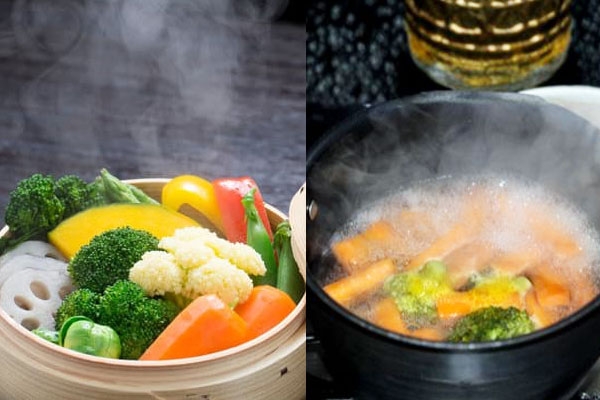
Both boiling and steaming have important roles in cooking. Knowing the benefits of each technique allows you to prepare vegetables in ways that are tasty and healthy. Boiling and steaming are popular methods for cooking vegetables, but they have different effects on nutrition, flavor, and texture. Steaming usually keeps more vitamins and taste intact, whereas boiling can make vegetables softer and easier to digest. Let's look at the advantages and disadvantages of both techniques.
Steaming vegetables is often seen as the healthier choice because it retains more vitamins and antioxidants. Nutrients like vitamin C and beta-carotene can be easily lost due to heat and water, so boiling can cause these nutrients to wash away into the water. In contrast, steamed vegetables keep their nutrients better, which makes them healthier.
Steamed vegetables also tend to stay bright, crunchy, and naturally tasty. The gentle cooking method helps them keep their color and texture, making them more attractive on the plate. On the other hand, boiled vegetables often lose their vibrant colors and can become soft. While boiling is good for softening starchy vegetables, it can reduce the flavor of more delicate greens. Boiling is simple and doesn’t need much equipment—just a pot of water and a heat source. It is especially handy for quickly cooking large amounts or preparing vegetables for soups and stews, where the nutrient-rich water is used as well. Steaming, while requiring a steamer basket or some specialized tools, is still easy once you have everything ready.
Boiling can make vegetables softer and simpler to digest, which is great for people with sensitive stomachs or digestive problems. The process of boiling breaks down fiber, which eases the burden on the digestive system. Steaming, though gentler, keeps fiber more intact, which is good for overall health but may feel heavier for some people.
Boiled vegetables are often used in purees, soups, and mashed recipes where softness is preferred. The water used for boiling can be turned into broth, keeping some of the lost nutrients. Steamed vegetables are better suited for salads, stir-fries, or as side dishes where freshness and crunch are important. Each cooking method fits different cooking goals. For those looking to get the most nutrients, steaming is clearly the better option. It limits nutrient loss and doesn’t require extra fats or oils. However, boiling can be helpful if the cooking water is consumed, like in soups, since it contains some of the nutrients that leached out. Both methods are free of added oils and promote heart health.