Supreme Court Bench to Hear Case Related to Women’s Entry Into Sabarimala Temple
February 16, 2026 18:05
(Image source from: Ndtv.com)
The Supreme Court announced on Monday that hearings will begin on April 7, 2026, in the long-standing review case concerning Sabarimala, which will be addressed by a nine-judge Constitution Bench. This marks the commencement of a new phase in the judicial examination of one of the most contentious constitutional issues related to religious liberty and gender rights. During the proceedings, the Chief Justice of India (CJI) indicated that this case would be heard following the conclusion of another matter before the Constitution Bench, stating, "This is the second case set for the nine-judge bench. After the completion of the State of UP vs Jai Bir case, we will move on to this. " The bench instructed all involved parties to submit their written arguments by March 14, 2026. Reflecting on past sessions, the CJI pointed out the significant interval since it was previously addressed. "This case was discussed on February 10, 2020, and now I am the only member remaining from that bench," he mentioned, noting that the other judges who had participated earlier have since retired.
Solicitor General Tushar Mehta brought up the interruptions that occurred at that time, explaining that discussions had just started before the Covid-19 lockdown and that one judge had taken ill. The CJI remarked, "The Bar and the Bench jointly navigated through the crisis. It was a challenging period," highlighting that the pandemic prevented nine judges from sitting together afterward. The court stated that concerns about maintainability had already been resolved by its ruling on February 10, 2020, which determined that constitutional queries could be referred to a larger bench even during review cases. "The issue concerning maintainability has reached a conclusive status and does not require our attention at this moment," the CJI noted. Following an order issued on November 14, 2019, a nine-judge bench was established to explore wider constitutional issues stemming from the Sabarimala controversy, including the extent and application of religious freedom across various religions.
The bench announced that it would now address the seven previously established questions and noted that further matters might also emerge during the hearings. Establishing a comprehensive timetable, the court specified that those submitting review petitions and their supporters will be heard from April 7 to April 9, while the opposition to the review will present their arguments from April 14 to April 16. Responses will be considered on April 21, and final arguments from the amicus curiae are expected to wrap up by April 22. Highlighting the importance of procedural adherence, the Chief Justice remarked, “We stress that the involved parties must comply with the specified timeline. ” Senior Advocate K Parameshwar, with the support of advocate Shivam Singh, was designated as amicus curiae to provide assistance to the court. The Solicitor General informed the bench of the Union government's backing of the review petitions, and Senior Advocate CS Vaidyanathan also indicated his support for the review process.
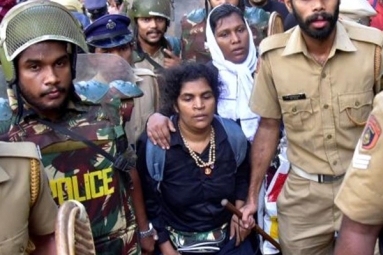
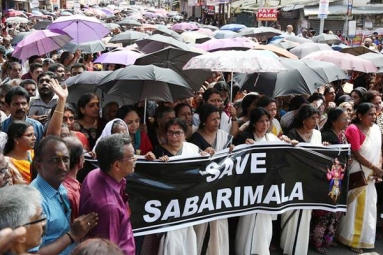
The scheduling of this case has reignited political discussions in Kerala, where the Sabarimala issue remains a contentious topic. Opposition figures have called on the CPI(M)-led state government to clarify its position to the Supreme Court regarding the entry of menstruating-aged women into the shrine, while the ruling party has stated that it will reveal its stance before the court at the right moment. The controversy originated from the Supreme Court's 2018 decision permitting women of all ages to enter the Sabarimala temple, a ruling that led to significant protests and several review petitions being filed.