(Image source from: Canva.com)
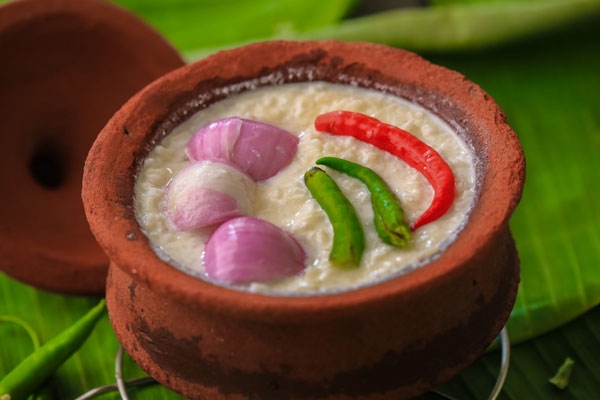
Every summer, grandmothers in India engage in an activity that wellness influencers haven't improved. They take leftover rice, soak it in water overnight, and then serve it chilled the next day with some yogurt, raw onion, and green chilli. This dish is known as fermented rice and has different names based on the region: Panta Bhat in Bengal, Poita Bhat in Assam, Pakhala in Odisha, Pazhaya Sadam in Tamil Nadu, and Pazhamkanji in Kerala. For many years, it was seen as simple food for farmers. Nowadays, nutrition experts are calling it a beneficial source of probiotics, and researchers are publishing studies that confirm what grandmothers have always understood. Here is why fermented rice is finally getting the recognition it deserves. The method is easy: leave cooked rice in water overnight at room temperature. When morning arrives, an interesting change happens at a molecular level. This natural fermentation increases good bacteria, improves digestibility, and might boost certain nutrients, turning leftovers into a superfood. Throughout the night, lactic acid fermentation occurs. Helpful bacteria break down complex carbohydrates and substances that block nutrients in the rice, changing its molecular makeup. By morning, the rice is filled with live probiotics and vital minerals like iron, potassium, and calcium, which are not usually available. The slight sour taste shows that lactic acid bacteria are at work, rather than indicating spoilage. Unlike packaged probiotic items, fermented rice is straightforward and based on age-old knowledge. Its benefits come from the science of fermentation, an age-old technique for enhancing nutrition and digestion.
Fermented rice provides interesting advantages for those who are careful about their diet. Unlike just soaked rice, fermentation significantly changes its nutrient content. Research shows that fermentation improves how much iron your body can use, lowers fat, increases protein, and boosts B complex vitamins such as thiamine, riboflavin, niacin, and B12. It also helps with the intake of potassium, calcium, magnesium, and selenium. Importantly, fermentation helps create vitamins B12 and B6, which are essential for vegetarians and vegans who often don't get enough B12. Moreover, fermentation decreases anti-nutritional factors (ANFs) that prevent mineral absorption, enabling better use of nutrients. Dietitian Ankita Chowdhury Nandi mentions: “With numerous nutritional, health, and beauty benefits, fermented rice is essential. Eating fermented rice makes it simple to access its energy-boosting, nutrient-rich benefits without taking much time in the kitchen”.
The discussion about gut health is becoming very popular, especially with items like kombucha and kefir gaining attention. However, fermented rice has been a common food for a much longer time. It is filled with lactic acid bacteria, known as Lactobacillus, which provides similar probiotic advantages as yoghurt. This helps with digestion, gut health, and strengthening the immune system. Research indicates that these probiotics can help decrease bloating and discomfort in the stomach, and they are also used to treat peptic ulcers, stomach pain, and constipation. For years, traditional Indian medicine has recommended fermented rice water for digestive problems. The process of fermentation breaks down complex starches, making rice easier to digest and helping to maintain a healthy gut, which in turn enhances immunity and mood. In India, fermented rice has traditionally been a summertime dish, and there are good reasons for this tradition beyond just flavor.
Fermented rice is refreshing, helps keep you hydrated, is easy on the stomach, and helps your body adapt to hot weather. It also has a lot of water, which helps you stay hydrated for a longer time. This is one reason why farmers and workers traditionally consumed fermented rice before heading out into the summer heat. It provides energy without making you feel overly full or heavy.
The lactic acid generated during fermentation helps lower body temperature. This isn't just something people believe; lactic acid has a real cooling effect on the body's internal conditions. That explains why enjoying a bowl of Panta Bhat on a scorching 40-degree afternoon in Kolkata can genuinely make you feel cooler rather than just satisfied.
Fermented rice also aids in boosting immunity. The fermentation encourages the growth of beneficial bacteria like Lactobacillus, which improves immune function. Antioxidants produced during fermentation help fight off free radicals and reduce oxidative stress in the body, enabling the body to effectively combat infections and recover more quickly.