(Image source from: Ndtv.com)
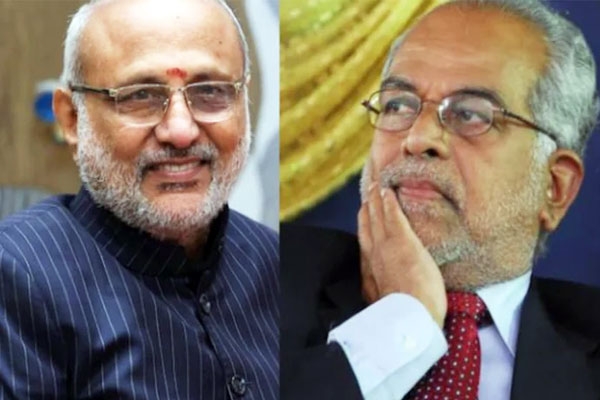
India is set to have a new Vice President by the evening of September 9. The question remains whether the ruling coalition led by the BJP will choose Maharashtra Governor CP Radhakrishnan, or if there will be a surprise with the INDIA alliance's former Supreme Court judge, Justice B Sudershan Reddy. Voting will start at 10 in the morning and will carry on until 5 in the evening. Counting of the votes is scheduled to begin after 6 in the evening. The process for the election is quite simple. All members of Parliament, whether elected or nominated, are allowed to cast their votes. This is done through a secret ballot, meaning everyone can vote according to their preferences instead of just following their party. In reality, though, it is common for members to vote against their party’s choice. For instance, in 2022, some opposition members supported Jagdeep Dhankhar, who was the candidate from the BJP. At that time, the BJP had an advantage with over 300 of its MPs in the Lok Sabha. This time, the NDA is backed by 427 members across both Houses. This number should still suffice because they have confirmed support from the YSR Congress and a majority mark of 386 votes after the BRS and BJD chose not to participate.
Nevertheless, the tight margins—Mr. Dhankhar won by 346 votes last time—have made the BJP cautious. Sources have mentioned a strategy called 'man to man marking.' BJP MPs are arranged into groups to stay together in the morning and throughout the day to reduce interruptions or attempts from the opposition to sway their votes. The southern state MPs of the BJP will be guided by Parliamentary Affairs Minister Pralhad Joshi, while the ones from Uttar Pradesh will have Commerce Minister Piyush Goyal looking after them. Additionally, Agriculture Minister Shivraj Chouhan, Housing Minister ML Khattar, Law Minister Arjun Meghwal, and five others will also have guard responsibilities. The opposition coalition, known as the Congress-led INDIA bloc, possesses only 315 votes, without counting the 12 Aam Aadmi Party MPs who might support Justice Reddy. However, there could be disagreement among those 12 as AAP Rajya Sabha MP Swati Maliwal might not follow the party’s direction due to her previous conflict with Arvind Kejriwal over an alleged incident involving his aide, Bibhav Kumar.
Even if Ms. Maliwal and all other non-BJP MPs, including those in the INDIA bloc, vote according to party lines, Mr. Radhakrishnan is still likely to secure enough votes to win. This election was brought about by the unexpected resignation of Mr. Dhankhar, who stepped down due to health issues on a chaotic first day of the Parliament's Monsoon session. Reports suggest that Mr. Dhankhar fell out of favor with the government after agreeing to an opposition-backed motion to impeach Delhi High Court judge Justice Yashwant Verma in a financial controversy. The BJP-led National Democratic Alliance nominated Mr. Radhakrishnan, which is perceived as a strategic choice in light of the upcoming elections in Tamil Nadu, where he hails from, next year. The opposition was anticipated to retaliate with a candidate from Tamil Nadu, likely Tiruchi Silva, an MP from the ruling DMK party, but ultimately decided on retired Supreme Court judge Justice Reddy.
The INDIA coalition has acknowledged that it does not anticipate winning this election. Insiders indicated that pushing for a vote was mainly a strategy for appearances – to highlight how the opposition compares to the previous vice-presidential election and, hopefully, to build support before important elections this year and next in Bihar, Bengal, and Tamil Nadu. In the meantime, the BJP has strongly criticized the choice of Justice Reddy. Home Minister Amit Shah initiated this criticism by referencing the judge's 2011 decision in the 'Salwa Judum' case, where he ruled against state-supported militias in Chhattisgarh. Mr. Shah stated that this ruling demonstrated that Justice Reddy "aided Naxalism."