(Image source from: ANI)
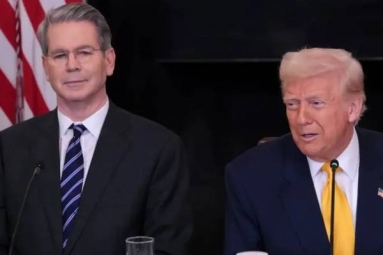
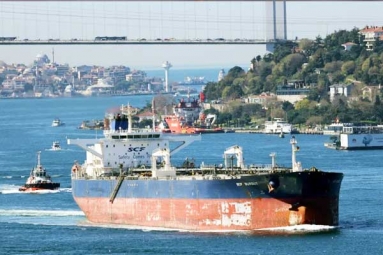
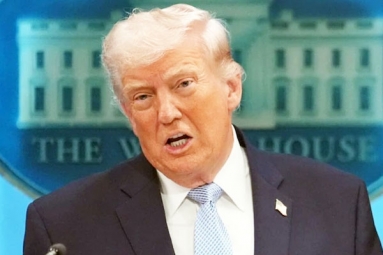
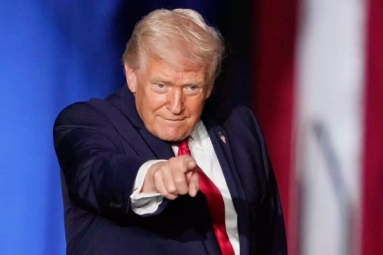
For most of the previous year, after Donald Trump came back to the White House, Washington aimed to impact Russia's energy market, which it referred to as Moscow's "war machine. " This effort involved cutting off two of Russia's biggest customers: India and China. The White House imposed heavy tariffs on India's exports and put sanctions on two large Russian oil companies. The strategy seemed to be effective until Trump initiated a conflict with Iran, which disrupted energy exports from that key region. This situation allowed the Kremlin to benefit significantly from the escalating conflict in the Middle East. Last week, the US gave Indian oil refineries a temporary permit for 30 days to purchase Russian oil that was currently stuck at sea. US Treasury Secretary Scott Bessent mentioned that this decision aimed "to keep oil flowing into the global market. " He also indicated that the US might relax additional sanctions related to Ukraine on Russian oil to help improve global supply.
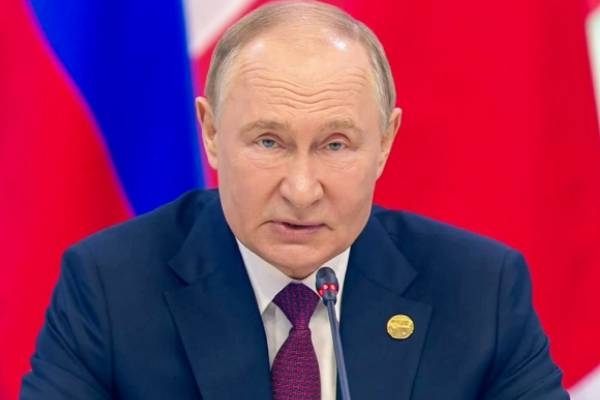
When Russian President Vladimir Putin began 2026, he faced two options: either restrict his so-called special military operations in Ukraine or face severe risks to his economy. Moscow's financial plan for this year anticipated a basic price of $59 for Urals crude oil, which is the country's primary export blend. However, due to Western sanctions, high-interest rates, and a lack of workers, energy income dropped to its lowest level since 2020 in January, which made a disappointing tax situation even worse. As Russia's finance ministry and the central bank worked on ways to lessen the impact, Trump provided Putin with a solution. US-Israeli assaults on Iran caused oil prices to increase dramatically, which helped Russia's key revenue stream. Following the bombing of Iranian oil facilities over the weekend, benchmark crude prices rose above $100 per barrel, reaching their highest level since the summer of 2022 when markets surged after Russia's major invasion of Ukraine. This increase in oil prices turned into a financial boost for Russia just as the costs of the Ukraine war threatened to lead to a domestic economic crisis.
"The government of Russia was confronted with difficult decisions and needed to lower its expenses while increasing taxes, and even think about cutting back on military spending," Sergey Vakulenko, a senior researcher at the Carnegie Russia Eurasia Centre, shared with Politico. Then the United States, along with Israel, launched an attack on Iran. As Tehran struck back, turning the conflict into a regional war, transportation through the Strait of Hormuz was disrupted, causing oil prices to rise sharply. "All of a sudden, Moscow was given this opportunity. . . They found their way out," Vladimir Milov, a former deputy energy minister who is now a critic of the Kremlin in exile, informed Politico. Milov mentioned that these days Russian leaders are "very, very pleased. " As per a report from the U. S. media, during the global oil crisis, Russian oil might now command higher prices rather than being sold at a lower rate due to Western sanctions, as its primary clients—India and China—rush to obtain supplies with the approval of Washington. After a discussion with Putin, Trump stated that the United States would lift oil-related sanctions on "some nations" to help with the shortage.
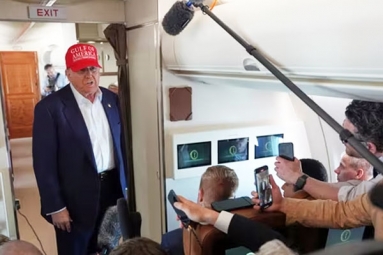
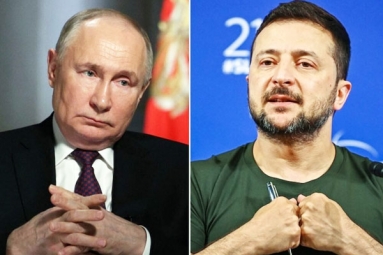
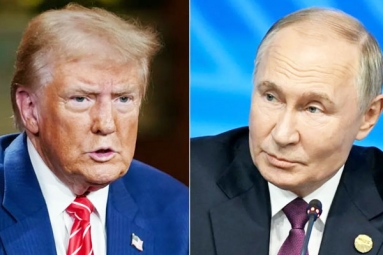
Trump also had a conversation with Putin on Monday to talk about the war and other matters. Yuriy Ushakov, Putin's adviser on foreign affairs, mentioned that Putin "shared several ideas regarding a swift political and diplomatic resolution" to the conflict after his talks with Gulf leaders and Iranian President Masoud Pezeshkian. It was expected that the Kremlin would make the most of this situation. "Russia has always been and still is a dependable supplier of both oil and gas," stated Putin's spokesperson Dmitry Peskov on Friday, sounding like he was promoting sales. He also noted that the demand for Russian energy resources had risen. At the same time, Kremlin aide Kirill Dmitriev made several posts on X, boasting that "the oil shock wave is just starting. " He further criticized Europe’s choice to cut off from Russian energy as "a bad strategy".