(Image source from: Canva.com)
Sleeping is meant to be the most refreshing part of your day. However, if you wake up feeling tired, stuffed up, or with a slight headache, the issue might not be your mattress or how much time you spend on screens – it could actually be the air you breathe. Specialists believe that the quality of the indoor air has a larger impact on sleep and heart health than many people think, and using an air purifier while you sleep might really help. Here is what studies and research show. We spend about one-third of our lives sleeping. During this time, your body constantly breathes in indoor air that could have dust, pet hair, mold spores, harmful chemicals known as volatile organic compounds, and tiny particles called PM2.5. These small pollutants can irritate your airways, cause nasal inflammation, and disrupt your breathing patterns, all of which can disturb deep sleep. At night, your body’s immune and repair systems are active. If the air is dirty, your body has to work harder, which can lower the quality of sleep and cause you to feel tired even after a full night’s rest in bed.
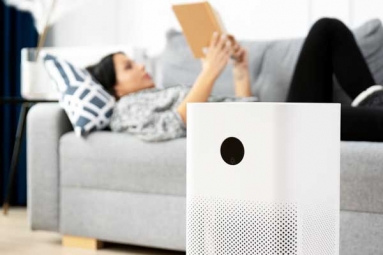
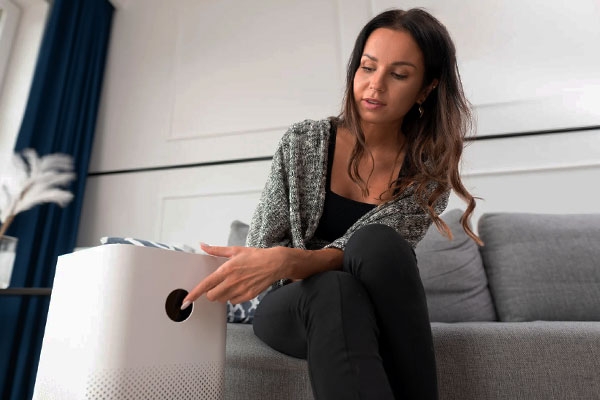
Research shows that it can indeed help. A study conducted in 2023 revealed that individuals sleeping with a HEPA air purifier (which can eliminate 99.97% of tiny airborne particles such as dust, pollen, mold, and bacteria) slept longer and spent more time in bed than those who did not use one. Scientists think this occurs because cleaner air lessens airway irritation and inflammation. Air pollution can cause oxidative stress, a process that harms cells and tissues and hinders normal recovery while you sleep. Eliminating those irritants makes your breathing more regular, which helps your body reach deeper sleep stages.
Long-term exposure to PM2.5 pollution has been connected to high blood pressure and strain on the heart. Pollutants can incite inflammation in the body and oxidative stress, both of which impact blood vessels and circulation. Studies have shown that using air purifiers indoors for anywhere from a week to several weeks resulted in noticeable decreases in blood pressure on average. Researchers propose that reducing exposure to pollutants at night gives the heart a chance to rest from ongoing environmental stress. The important part is the filter. True HEPA filters are made to catch very small particles, even those that you cannot see. As air moves through the filter, pollutants get trapped in the tiny fibers, allowing cleaner air to flow back into the room. This is why experts recommend true HEPA models rather than simple filters or ionizers.