(Image source from: Espn.in)
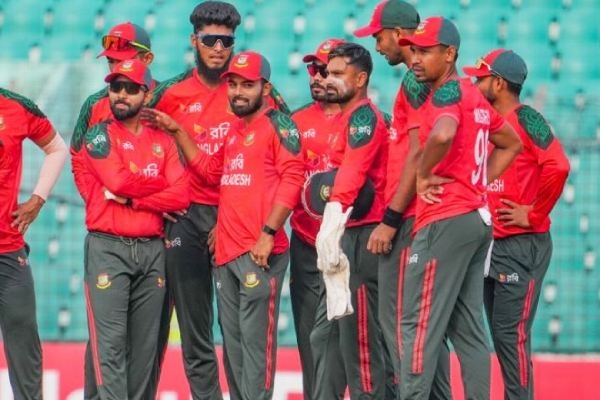
When the biggest and most profitable cricket competition slips away, most people would normally brace for trouble and repercussions. However, in a surprising turn of events, Bangladesh is being rewarded instead of facing punishment for deciding not to participate in the 2026 ICC Men's T20 World Cup. Rather than a disciplinary action, the ICC took a route that can be seen as practical politics during a crisis regarding the tournament. At the center of this situation was the Bangladesh Cricket Board (BCB), which chose not to send its team to India for the World Cup matches due to safety issues. Instead of dealing with fines or other penalties, the BCB has come out of the situation with guarantees for hosting matches in the future and no penalties recorded against them.
The response from the International Cricket Council (ICC), which might be viewed as backing rather than punishment, is indeed confusing and might raise some concerns. Here is an explanation of why Bangladesh received rewards instead of penalties for skipping the T20 World Cup in India. Even though Bangladesh pulled out from the tournament, the ICC confirmed that the country would not incur any financial, sporting, or administrative penalties after detailed discussions with the Pakistan Cricket Board (PCB) and the BCB. The ICC’s official announcement indicated that their decision was based on "principles of neutrality and fairness" and aimed for "facilitative support rather than punishment. " Importantly, the BCB still has the option to contact the ICC's Dispute Resolution Committee according to the current rules, which the council made sure to keep available.
Bangladesh not only avoided any penalties but was also assured the chance to host another ICC international event before the Men's Cricket World Cup in 2031, which they will co-host with India. This hosting promise relies on the standard ICC selection and scheduling procedures, but it is a strong sign of goodwill from the council in the long run. The ICC explained that this decision highlights that Bangladesh is considered a "priority cricket ecosystem" with lasting potential for investment and an important role in the sport’s worldwide development, as noted in the cricket body’s statement.
BCB President Aminul Islam Bulbul expressed his satisfaction with the results and recognized the ongoing partnership between the board and international cricket organizations. Pakistan's agreement to support Bangladesh during these talks came only after Dhaka persuaded Islamabad to participate in the game on February 15 against India, a match they had previously chosen to avoid. As many anticipated, Pakistan was willing to play, with the financial benefits from the game being a significant factor. The issue began in early January when the BCB officially informed the ICC that it wouldn't go to India for its group games in the T20 World Cup citing security worries. This decision followed the release of Bangladeshi fast bowler Mustafizur Rahman from the IPL team KKR, which caused backlash from a former BJP MLA in Uttar Pradesh.
The ICC denied Bangladesh's bid to shift its matches to Sri Lanka, insisting they stick to the original schedule. Consequently, Scotland was brought in to take the place of Bangladesh in the T20 World Cup. This initiated a possible ripple effect in international cricket. Initially, Pakistan also declared it would not play its match against India to show support for Bangladesh. This decision from Islamabad put the main February 15 matchup between India and Pakistan in Colombo at risk, a game expected to generate billions in broadcasting income. As tensions were rising, an important meeting was organized in Lahore with ICC officials and PCB members. BCB President Bulbul had to hurry to the meeting, which mainly focused on discussing Pakistan's involvement in the game against India in Colombo.
The discussions were described by ICC officials as taking place in a friendly and productive environment. Throughout and after the meeting, reports indicated that the PCB might consider changing its stance and agreeing to face India. This put the decision in the hands of the Pakistani civilian government. On Monday evening, Prime Minister Shehbaz Sharif approved the PCB's travel to Colombo to compete against India on February 15. In the final statement, it was confirmed that there would be no penalties against Bangladesh. The BCB's right to seek formal resolution for disputes was maintained, along with the assurance that Bangladesh would host a future ICC event. This welcoming tone was intentional. The ICC's CEO, Sanjog Gupta, referred to the situation as "unfortunate". He mentioned it would not harm Bangladesh's long-standing position in global cricket. It was emphasized that temporary setbacks should not define a Full Member's role internationally, even while Bangladesh withdrew from the 2026 ICC Men's T20 World Cup at the last minute.
What the ICC communicates regarding fairness, consideration for a Full Member, and dedication over the long term is just one aspect of the overall situation. The meeting held in Lahore on Sunday, which required BCB leader Aminul Islam Bulbul to leave Dhaka at about 1 am, is also significant. This gathering should not be viewed merely as mediation but also as tough negotiations influenced by Pakistan's involvement and the ICC's requirements. Motivated by Pakistan's initial backing and its warning to withdraw from the match against India, Bangladesh decided to step back from the World Cup. The call for Pakistan to boycott wasn't solely directed at Bangladesh. It served as a tactic to exert pressure. However, as many analysts, including Sunil Gavaskar, anticipated, Pakistan's position was always adaptable. When the time came for a change in direction, Islamabad not only returned to the match against India but also brought Bangladesh into discussions.
For the ICC, ensuring the India vs Pakistan match occurs was essential. That particular game brings in more money than several other World Cup matches combined, and cancelling it would have disrupted the tournament's financial records. Aside from its own finances, the ICC had to consider smaller boards, like PCB and BCB, that rely on the central funding to continue existing. Recognizing this leverage accurately and initially supported by Pakistan, Bangladesh took advantage of the situation. By the time things were resolved in Lahore, the ICC had safeguarded its main event, Pakistan had reversed its stance, and Bangladesh had transformed its withdrawal into future promises without facing any penalties. If the ICC had pursued punitive measures against the BCB, the fallout could have been significant. Financial fines or bans might have put further strain on the BCB’s already vulnerable finances, increased dissatisfaction among fans, and harmed diplomatic relations.
Bangladesh ranks as one of the largest cricket markets globally, boasting a dedicated fan base of over 200 million people. The ICC cannot afford to lose such a valuable commercial asset. Sports penalties could have negatively impacted player morale and the development opportunities available to young cricketers in Bangladesh. Funds generated from ICC events are collected centrally and then distributed, allowing boards like the BCB to remain financially stable, operate domestic systems, and fulfill player payment duties. A decline in ICC funding would not only affect the board but would also severely impact most cricket boards, excluding the major four: India, England, Australia, and New Zealand. After Bangladesh opted out of the World Cup, a report from news agency PTI mentioned that the BCB was likely to lose about BDT 325 crore (approximately $27 million or Rs 247 crore), which comes from the ICC's yearly revenues. Furthermore, the loss of income from broadcasting and sponsorship would likely follow. Overall, the BCB’s revenue for the financial year 2025-26 could have decreased by 60% or more.
Former captain of Bangladesh Tamim Iqbal had previously urged the BCB to not let "public feelings" influence their choice regarding Bangladesh's involvement in the T20 World Cup. He stated that such a decision could have consequences "10 years later. " Although Bangladesh is already facing financial losses amounting to millions for opting out of the event in India, any further penalties from the ICC would have made the situation worse for the BCB. Viewed from this angle, the leniency shown to Bangladesh serves as much to ensure fairness as it does to help mitigate and address the financial repercussions of their absence. In the end, Bangladesh has received benefits rather than penalties, even though they chose not to participate in the ICC T20 World Cup.