(Image source from: PTI)
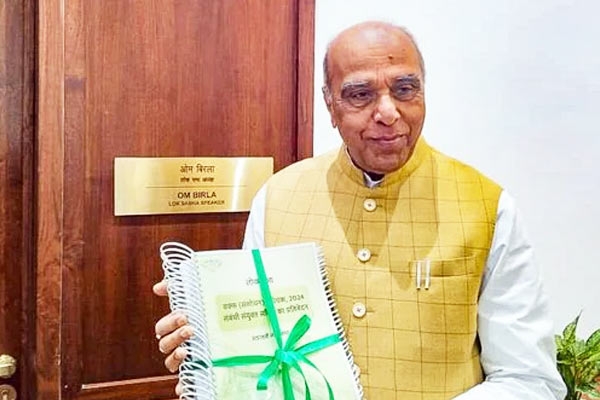
The Union Cabinet has given its approval to modifications of the disputed Waqf Bill, as reported by sources to NDTV on Thursday morning. During a meeting on February 19, the Cabinet endorsed 14 modifications suggested by a joint parliamentary committee, to which the bill was referred back in August. The committee submitted its final report to the House on February 13. This development came amid renewed tensions between the opposition and the ruling BJP along with its allies, with opposition members accusing BJP Lok Sabha MP Jagadambika Pal of partiality and pushing the bill forward without adequate consultation. Although the joint committee conducted nearly thirty hearings over the past six months, many of these sessions ended in disorder, and at least one resulted in physical altercation after Trinamool MP Kalyan Banerjee broke a glass bottle on the table following alleged provocation from BJP's Abhijit Gangopadhyay. Ultimately, the committee recommended 66 amendments, of which all 44 proposed by the opposition were turned down, leading to further conflict; however, the 23 amendments from BJP and allied party members were accepted.
The joint parliamentary committee included 16 MPs from the BJP and allied parties, contrasted with only 10 from the opposition. The Waqf (Amendment) Bill suggested 44 amendments regarding the laws that govern central and state Waqf boards, which oversee the management of Muslim charitable properties in the country. These proposals, which include the inclusion of non-Muslim and at least two female members on each Waqf Board, along with a Union Minister, three MPs, and four individuals of "national repute" on the central Waqf Council, have sparked intense backlash from the opposition. Another contentious amendment would limit donations solely to Muslims who have been practicing for a minimum of five years, raising disputes over the definition of a "practicing Muslim." A significant change mandates that a designated officer from the relevant state should decide if a property is classified as "waqf," a responsibility that was previously assigned to the District Collector in the initial draft.
Moreover, under the revised rules, the Waqf Council will not be able to claim land. Last year, sources indicated that these changes aim to empower Muslim women and children who have faced hardships under the previous legislation. Nonetheless, critics, including opposition figures like KC Venugopal from Congress, argue that the new bill represents a "direct attack on religious freedom." Asaduddin Owaisi, the head of AIMIM and a key opponent of the bill, along with Kanimozhi from the DMK, have also voiced concerns, asserting that the bill infringes upon several articles of the Constitution, such as Article 15, which protects the right to practice one's chosen religion, and Article 30, which grants minority communities the right to establish and manage their educational institutions.