(Image source from: Canva.com)
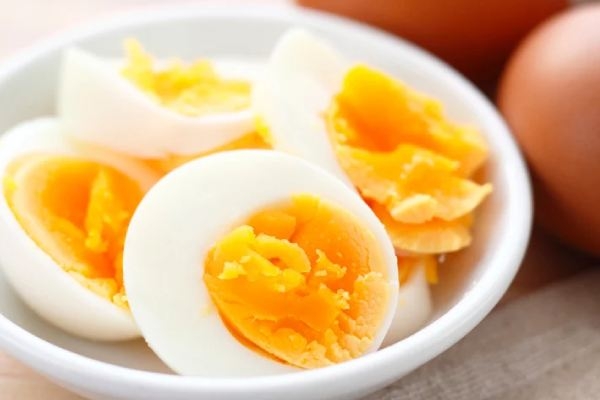
Eggs are very nutritious. They are a great source of good-quality protein, healthy fats, and important vitamins and minerals. However, many people only eat the egg whites and stay away from whole eggs because they think the yolks, which have a lot of cholesterol, can greatly increase their cholesterol and raise the chances of heart disease. This way of thinking comes from old information and misconceptions about dietary cholesterol. Enjoy the whole egg. Eggs are some of the most nutritious and flexible foods available, yet they often get criticized unfairly. The yolk has received a lot of blame due to its cholesterol content, but it actually contains most of the nutrition in the egg. Compared to egg whites, the yolk offers much more vitamin A, vitamin E, and omega-3 fatty acids.
For most healthy people, egg yolks are not harmful and are in fact packed with nutrients, making them a good part of a healthy diet. While egg yolks were once avoided because of high cholesterol, recent studies have shown that, for most people, the cholesterol from eggs has little effect on blood cholesterol levels. If they do increase your cholesterol, it is usually the good kind. They can also lower bad cholesterol, which can be beneficial for your health. Recent studies indicate that for most individuals, eating egg yolks in moderation does not significantly affect cholesterol levels in the blood. The body controls its own cholesterol production and often reduces its own production when you eat cholesterol from food. This means the cholesterol found in egg yolks is not as harmful as previously thought. Eggs, including the yolks, are generally healthy and beneficial. Egg whites alone can actually cause inflammation. Therefore, if eaten by themselves, they are not beneficial. They are only good when mixed with the yolk.
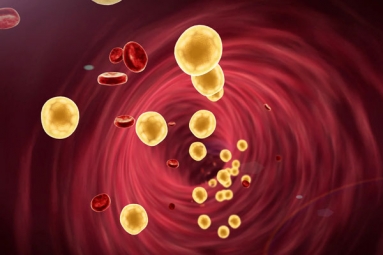
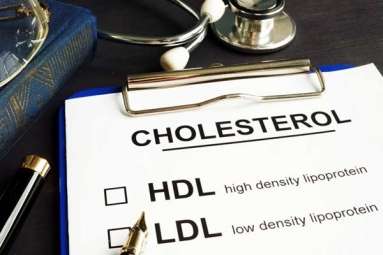
Cholesterol is often misunderstood. It is necessary for cell structure, hormone creation, brain activity, and a healthy immune system. In fact, about 85% of the cholesterol in your body is made by your own liver, regardless of your diet. So think about this—if your body makes it by itself, how can it be bad for you? Not all cholesterol is harmful. Cholesterol in the body travels with two types of lipoproteins: low-density lipoprotein (LDL) and high-density lipoprotein (HDL). LDL is often labeled as bad cholesterol because high amounts can cause plaque to build up in arteries, which raises the risk of heart problems. On the other hand, HDL is seen as good cholesterol because it helps move cholesterol away from the arteries back to the liver for disposal or recycling.
Trans fats and too much saturated fat can significantly increase bad cholesterol levels in the body, along with other issues like poor eating habits, not exercising, smoking, and some inherited traits. Rather than completely cutting out egg yolks, many nutritionists suggest including them in a healthy diet because they provide important nutrients such as vitamins, minerals, and antioxidants. To sum up, including egg yolks in your meals can be beneficial for a healthy diet if eaten in moderation, and the cholesterol in them isn’t harmful for most individuals. Focusing on a nutritious diet while also taking other lifestyle aspects into account can lead to better overall heart health.