(Image source from: AFP)
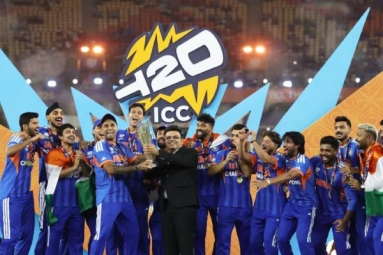
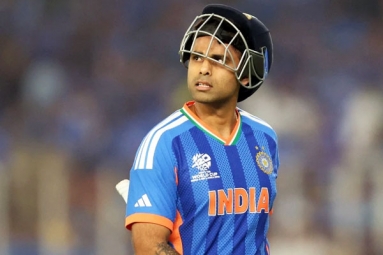
The International Cricket Council (ICC) organized a meeting with the Pakistan Cricket Board (PCB) and the Bangladesh Cricket Board (BCB) at Gaddafi Stadium in Lahore on Sunday to talk about Pakistan's choice to not participate in the match against India in the ICC Men's T20 World Cup 2026, set for February 15 in Colombo, as reported by Dawn. After the four-hour discussion, no joint statement was released. Sources from the PCB mentioned to Dawn that both parties would likely make an announcement only after getting the go-ahead from the Pakistan Government. The article further states that the ICC had “nothing to provide to Bangladesh as compensation, but promised that it would receive its fair share of ICC earnings. ”
Moreover, the report mentioned that ICC Deputy Chair Imran Khawaja suggested the PCB "present its case to the ICC arbitration committee or bring it up in the ICC board meeting, and immediately end the boycott of the India-Pakistan match, as it wasn't beneficial for cricket. "
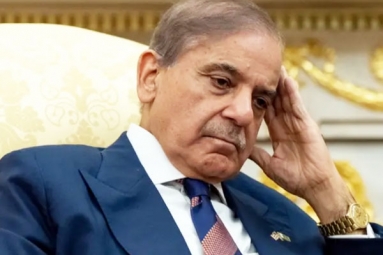
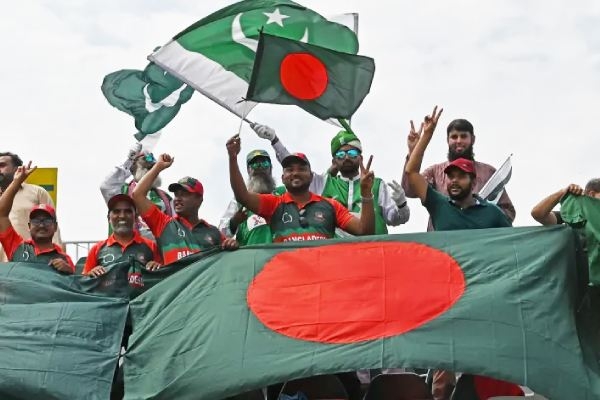
This news follows an announcement from the official Pakistan Government account on X, stating that the national team would not compete in the February 15 game. Prime Minister Shehbaz Sharif later connected this boycott to issues with Bangladesh, describing it as an act of support. Bangladesh was replaced by Scotland in the 2026 T20 World Cup after the ICC could not accept their request to have all their matches played outside of India. This request stemmed from the removal of Kolkata Knight Riders (KKR) bowler Mustafizur Rahman from the team due to instructions from the Board of Control for Cricket in India (BCCI) over concerns regarding treatment of minorities in Bangladesh.
At the same time, it is believed that the ICC has asked the PCB to show what actions it has taken to address the 'Force Majeure' situation, which is required by the Members Participation Agreement (MPA). Importantly, the ICC received an email from the PCB, using government orders as the reason for its controversial decision to boycott, which came just under 10 days before the tournament was set to start. Additionally, the ICC is thought to have specific conditions under which 'Force Majeure' can be legitimately claimed, including the evidence needed for not participating in the tournament and the sporting, commercial, and governance consequences of such a decision. The ICC informed the PCB about the potential serious consequences that could occur if the match is canceled. The global governing body aims to avoid any conflict, but according to their rules, they have the right to suspend or terminate a membership if there is a significant breach of the obligations that need to be upheld.
PCB is confident that if the situation becomes a disagreement, they have a solid argument. This is because there is a mention of an earlier argument between PCB and BCCI that was taken to the ICC Dispute Resolution Committee about a series of matches. The issue was that BCCI supposedly did not follow a 2014 agreement between the two boards to hold six series from 2013 to 2015. Although PCB did not win their request for compensation, they think that the Indian government’s refusal to allow BCCI to continue with the series establishes an important example for them.