(Image source from: Canva.com)
Papaya is often referred to as a fantastic tropical fruit, and there are solid reasons for this. Its vivid color, sweet flavor, and excellent nutrition make it popular in many Indian households. Packed with fiber, antioxidants, and the digestive enzyme papain, papaya is recognized for aiding digestion, boosting immunity, and benefiting skin health. It fits perfectly in fruit salads, smoothies, and even in savory dishes. Nonetheless, even with its numerous advantages, papaya may not be ideal for everyone. In some cases, eating papaya might cause discomfort or health issues. Understanding who needs to be careful can help in making safer and more educated food decisions.
Who should stay away from Papaya:
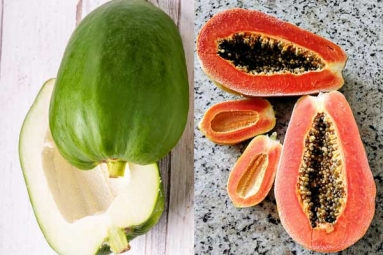
Pregnant Women: Unripe or partially ripe papaya contains latex, which might cause the uterus to contract. This can heighten the risk of complications during pregnancy, especially in the early stages. Nutritionist Rupali Datta explains that immature papaya has elements that can stimulate the uterus and should be entirely avoided during pregnancy. Fully ripe papaya, when consumed in very tiny amounts, might be better tolerated by some women, but it is strongly advised to seek medical advice before adding it to a pregnancy diet. A main reason papaya receives mixed feelings is that not all papaya reacts the same way in the body. Unripe or semi-ripe papaya has more latex, a sticky substance that can irritate the digestive system and, in some situations, provoke uterine contractions. This is why unripe papaya is generally considered unsafe during pregnancy. Conversely, fully ripe papaya has much less latex and is softer, sweeter, and simpler to digest. Rupali Datta highlights that many worries about papaya arise from its ripeness rather than the fruit itself, making this difference quite significant.
Individuals With Latex Allergy: Papaya naturally has latex, which can cause allergic reactions in those who are sensitive. Reactions may include itching, skin rashes, lips swelling, or breathing problems. People allergic to latex or fruits such as avocado, banana, and kiwi may also react to papaya. Rupali Datta mentions that food-related latex allergies can sometimes show up unexpectedly, making it crucial to avoid papaya entirely if any symptoms arise after eating it.
People with thyroid problems, such as hypothyroidism, should be careful about eating papaya. A study in the Journal of Clinical Endocrinology & Metabolism indicates that some plant chemicals can stop the body from taking in iodine, which is needed to make thyroid hormones. Papaya has these plant chemicals, and if you eat too much, it might cause this problem. Rupali Datta says eating it sometimes probably won't hurt, but eating it often or in large amounts might not be good for those with thyroid issues.
People taking blood thinners should also be cautious. Papaya has a lot of vitamin C and can slightly thin the blood itself. If eaten with blood-thinning medicines, it could make bleeding too much more likely. Nutrition experts often suggest being careful with foods that can make blood thinners work more strongly. Rupali Datta recommends that anyone on these medications talk to their doctor before regularly including papaya in their diet, especially raw or as juice.
Most healthy adults can safely eat papaya in small amounts. About 100 to 150 grams of ripe papaya is usually enough to get its benefits without upsetting your stomach because it has enzymes. Rupali Datta points out that fruits with digestive enzymes are most helpful when eaten with food, not in big amounts, so papaya helps rather than causes problems.