(Image source from: Financial Tribune)
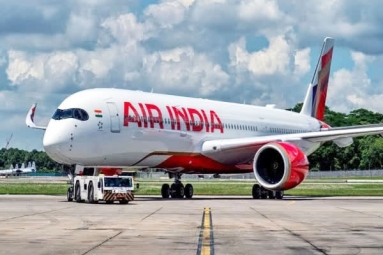
The endeavor of Boeing Co.'s, an aerospace company, manufacturer of commercial jetliners and defence, space and security systems to undermine the sales of Airbus SE's have moved beyond United States and into India, a market seen by the European planemaker as important to widening sales for the plane into Asia .
Singapore Airlines in the latest setback to the Toulouse, France based manufacturer has opted for the 787, passing over the Airbus model, which along with the bigger A350 designed to take on the dreamliner.
The Singapore Airlines follows akin lost campaigns at American Airlines and Hawaiian Airlines, both of which scrapped their orders for Airbus jets and picked 787 instead.
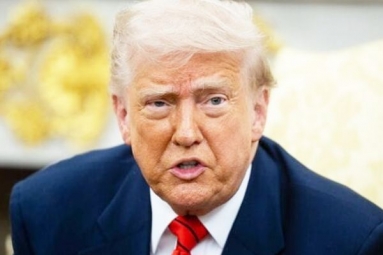
Backed by the aggressive pricing and U.S. President Donald Trump's tax cuts, the American planemaker's crusade is already showing consequences.
In April, Airbus said it'll scale back production of Airbus A330 family as its transitions to the newer model in part due to lower than anticipated sales, with plans to hand over merely 50 of the jets annually from succeeding year, compared to 67 in 2017.
"Boeing is not trying to give us an easy time," Eric Schulz, chief commercial officer for Airbus, said in an interview on Sunday in Sydney. "And I can tell you we are as well."
Airbus Chief Executive Officer Tom Enders said in April that the Boeing sales team is the most aggressive in 20 years.
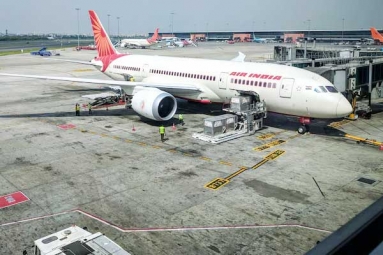
An Indian airline, Vistara is to place an order for six 787's with an alternative to buy four more. Airbus is making the way with Vistara in terms of narrow-body aircraft.
As many as 60 new-engine, single aisle airliners the palnemaker is favoured in pull in an order to gain stronger foothold in India.
Hawaiian Air said in March that it would cancel its contract for the smallest variant of the Airbus model, which now has no orders, and pick Boeing planes. American Airlines switched camp this April and ordered 47 Dreamliners in a $12.3 billion deal at listed prices.
“If you take a look at Airbus, they have an A330neo family that’s not doing well,” Randy Tinseth, a Boeing marketing vice president, said in an interview in Sydney on Sunday. The change in tax structure is an opportunity for the American planemaker, and that provides it a “tax equalization” against its rivals, he said.
By Sowmya Sangam