(Image source from: Canva.com)
Kerala has announced 67 cases and 18 deaths from a brain-eating amoeba this year, according to information released by the state health department on Monday. Officials mentioned that these statistics were updated through the Integrated Disease Surveillance Programme. Due to the increasing number of cases, Kerala's Health Minister Veena George called for immediate action on water safety and prevention. A 17-year-old boy from Poovar in Thiruvananthapuram was confirmed to have PAM after swimming in the pool at Akkulam Tourist Village. His health is critical, and the pool has been closed with water samples taken for testing. In Kozhikode, a 49-year-old man named Shaji passed away after suffering a head injury, which later led to an infection.
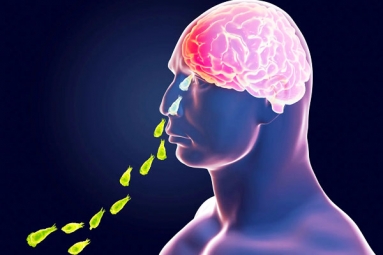
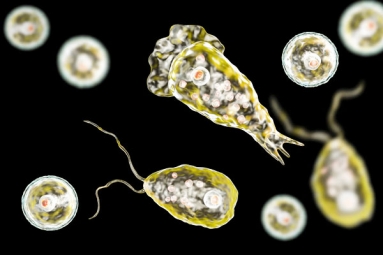
A nine-year-old girl from Thamarassery in Kozhikode died as her symptoms worsened quickly. There are also patients from other age groups, including infants as young as three months and older adults. Many individuals are currently receiving treatment. The infection known as amoebic meningoencephalitis, commonly referred to as the “brain-eating amoeba" illness, is caused by the Naegleria fowleri amoeba. This organism thrives in warm and stagnant water that has not been properly treated and enters the body through the nostrils. Although this disease is very rare, it is highly deadly, with a significant mortality rate globally. Once it enters the body, the amoeba moves to the brain, resulting in severe inflammation. Initial symptoms include fever, vomiting, headaches, neck stiffness, and nausea.
The government has provided the following advice:
Do not swim or bathe in still or dirty water sources, such as lakes and ponds.
Make sure swimming pools are properly chlorinated and well-maintained.
Use clean, treated water for rinsing your nose. Avoid using dirty water for rituals or any washing that may send water into your nose.
Keep your home’s water storage tanks and wells clean and disinfected. Ensure wells are covered securely.
Be vigilant for symptoms like fever, headache, vomiting, and stiff neck, and seek medical help promptly. Early detection can enhance chances of survival.