(Image source from: Canva.com)
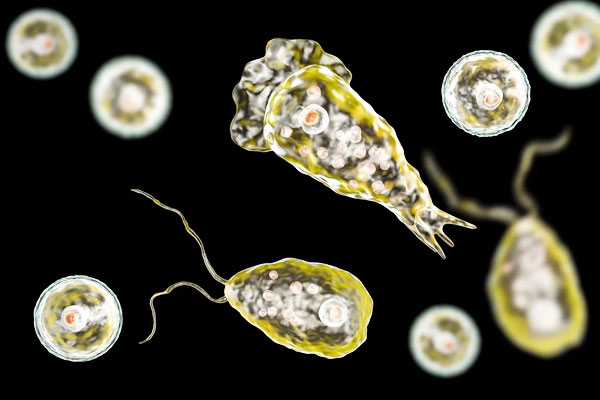
Kerala's health officials are alert due to an increase in cases of Primary Amoebic Meningoencephalitis (PAM), a brain infection known for its high death rate. This condition is caused by Naegleria fowleri, often referred to as the 'brain-eating amoeba'. So far this year, Kerala has seen 61 confirmed PAM cases and 19 fatalities, with numerous deaths reported recently. Health Minister Veena George highlighted that Kerala is facing a significant public health issue. Infections, which were earlier associated with clusters in areas like Kozhikode and Malappuram, are now occurring sporadically throughout the state. The patients vary in age from a three-month-old baby to a 91-year-old adult. She noted, "This year, we do not see group cases linked to one specific water source. Instead, these are individual, isolated incidents, making our epidemiological studies more challenging."
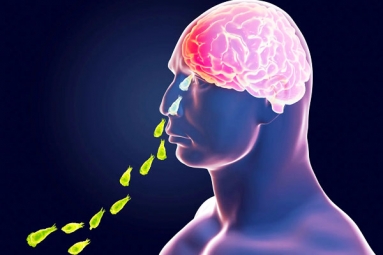
A Kerala government report states that PAM impacts the central nervous system. It explains, "This infection damages brain tissue, leading to severe swelling of the brain and often resulting in death." PAM is uncommon and primarily affects generally healthy children, teenagers, and young adults. The report highlights "warm, especially still, freshwater" as a source for the "brain-eating amoeba." It adds, "The amoebae enter the body through the olfactory mucosa and the cribriform plate," and states that drinking contaminated water is not connected to showing symptoms of the disease. This means that individuals swimming, diving, or bathing in waters that have this amoeba present are at a high risk of getting infected. The report also points out that climate change is increasing the danger. It mentions, "Rising water temperatures and more people using water for recreation due to the heat are likely to lead to more interactions with this pathogen." The disease does not spread from one person to another.
PAM has a very high death rate mainly because it is hard to diagnose. Its signs look a lot like bacterial meningitis, including headache, fever, nausea, and vomiting. The document notes, "By the time doctors eliminate other more typical causes of meningitis and consider PAM, it is often too late to help the patient from swelling in the brain that develops quickly and leads to death," adding, "Most patients come to medical help showing signs that suggest issues in the central nervous system." PAM happens more often in warmer months and in individuals who have a history of swimming, diving, or bathing in warm still freshwater. Symptoms can show up anywhere from one to nine days later, and they might start suddenly over a few hours to one or two days. The document explains, "Pathways through the nose give N.fowleri rapid access to the brain and lead to a weakened immune response, causing the disease to progress very quickly."
Nearly all people who survived PAM in the last sixty years were diagnosed before severe brain issues developed. "This indicates that catching PAM early and starting a mix of antibiotics promptly could save lives," the document states. Ms. George emphasized that "detecting the condition early is crucial." The document continues, "The unusual nature of the illness, delays in diagnosis, the swift progression of symptoms, and the challenges in making a quick diagnosis have slowed down the assessment of treatment plans." It mentions, "Ideally, the most effective treatment should involve an amebicidal medication (or a mix of drugs) that works well in tests and can pass through the blood-brain barrier." The government of Kerala has urged individuals to get immediate medical care if they show symptoms similar to PAM after being in stagnant water.
Kerala saw its first case of PAM in 2016, and by 2023, the state had recorded just eight confirmed instances. However, last year saw a significant increase with 36 cases and nine fatalities. Already this year, there have been 69 reported cases and 19 deaths—an almost 100 percent rise. As the state is making efforts to prevent new infections, people have been encouraged to take precautions. They should stay away from swimming or bathing in untreated or still freshwater sources like ponds and lakes. Swimmers are recommended to use nose plugs when going into freshwater, and proper cleaning and chlorination for wells and water tanks has been suggested. The health department of Kerala, with help from the National Centre for Disease Control, is testing the environment to find potential sources of contamination.