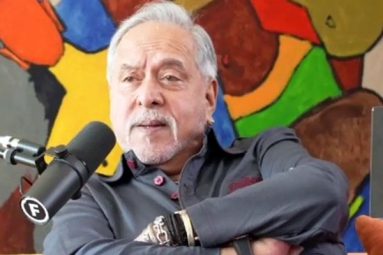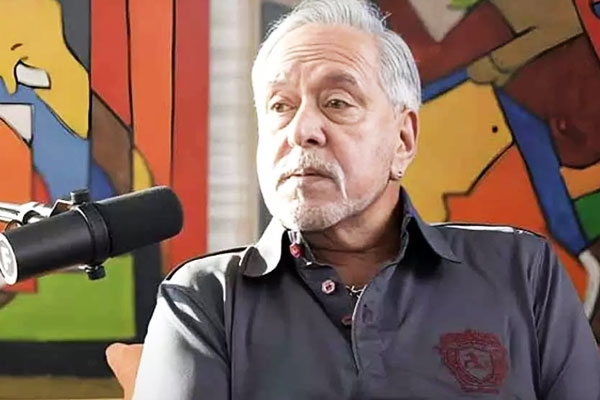
(Image source from: Thefederal.com)
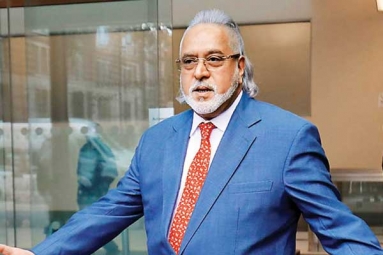
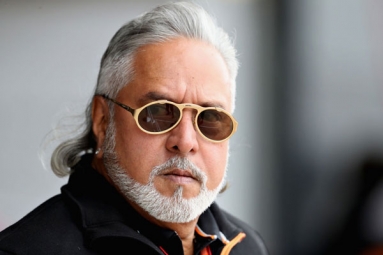
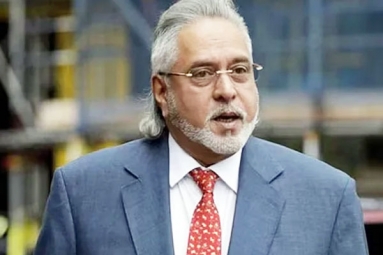
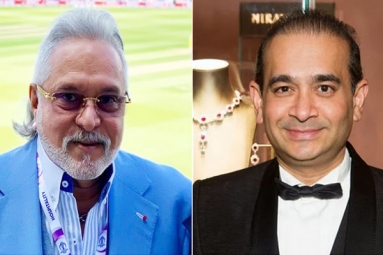
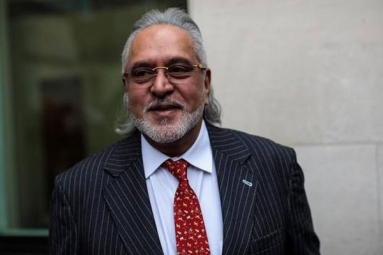
The situation surrounding the runaway businessman Vijay Mallya has once again become a hot topic in Indian courts. Dealing with various accusations of fraud and money laundering, Mallya informed the Bombay High Court on Wednesday that he cannot confirm when he will come back to India since he is legally not allowed to leave the UK. In a message shared through his lawyer Amit Desai with the high court, Mallya mentioned that he cannot specify when he will be able to return to India because he no longer has an active passport after the Indian government canceled his original passport. This statement from Mallya followed shortly after Chief Justice Shree Chandrashekhar and Justice Gautam Ankhad, who are overseeing his case, emphasized last week that they would not discuss Mallya's appeal against the ruling that labeled him a fugitive economic offender until he is back in India.
Living in the UK since 2016, Mallya has submitted two petitions in the high court — one contesting a ruling that declared him a fugitive economic offender and another challenging the legal validity of the Fugitive Economic Offenders Act. When the previous liquor tycoon was asked to clarify his plans about returning to India, Mallya cited decisions from British courts in Wales and the UK that prevent him from leaving the country. "Mallya cannot leave or try to leave England and Wales or apply for or have any international travel papers. Overall, the petitioner is unable to accurately say when he will come back to India," Desai read from his statement in court. The 70-year-old liquor tycoon faces accusations of failing to repay loans worth thousands of crores and is dealing with money laundering allegations.
Mallya has been living in the UK since March 2016 and still faces numerous accusations in India related to financial scams and money laundering involving the now-defunct Kingfisher Airlines. Even though he is not present in India, it is reported that Indian banks have managed to recover over Rs 14,000 crore from his assets that are attached as of late 2025. Presenting Mallya’s case at the Bombay high court, the senior lawyer argued that Mallya does not need to be in India for the court to consider his appeals against the designation of a fugitive and the requirements of the Act. "If he (Mallya) were to come to India, then all these actions would be irrelevant since the law states that once the offender appears in the relevant court, then all these orders would be canceled," Desai explained to the court.
Following the arguments presented by Mallya’s lawyer, a bench of two judges at the Bombay High Court instructed the central government to respond to Mallya's remarks and scheduled the issue for further discussion next month.
In January 2019, a special court classified Mallya as a Fugitive Economic Offender under the Prevention of Money Laundering Act. The entrepreneur departed from India in March 2016. By the end of 2025, banks in India had retrieved over Rs 14,000 crore from properties associated with him. Once regarded as one of the most prominent business figures in India, Vijay Mallya headed the UB Group and founded Kingfisher Airlines, which ceased operations in 2012 due to growing debts. Renowned for his extravagant way of living and investments in sports, his situation deteriorated when investigations into massive unpaid bank loans began. Since he left India in 2016, his extradition and legal battles in both India and the UK have persisted, leaving the issue of his return uncertain.