(Image source from: Scmp.com)
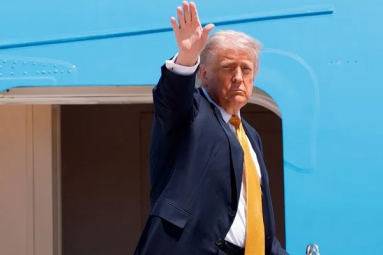
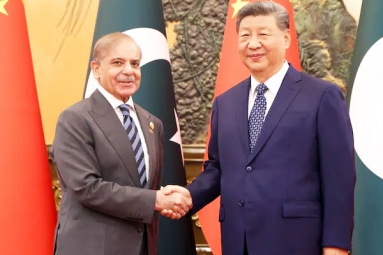
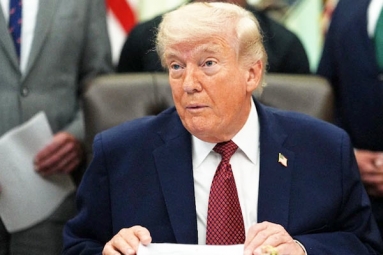
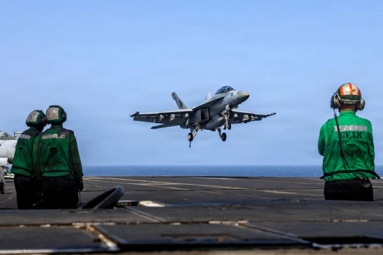
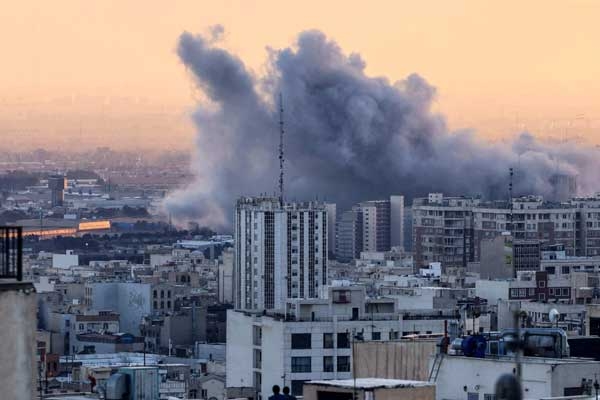
China's close energy relationship with Iran is now facing intense scrutiny for the first time in years as the United States and Israel carry out attacks, pushing Iran into a direct conflict and endangering the oil routes vital to the Chinese economy. Beijing has denounced these strikes and urged for a halt to the fighting. However, it has refrained from taking any economic actions that could threaten the energy supplies it relies on. Early in the morning on February 28, the US and Israel executed coordinated attacks on Iranian nuclear sites, missile launches, and important leadership areas in Tehran, Isfahan, and Qom. President Donald Trump termed the operation "Operation Epic Fury," presenting it as a significant action after a lengthy stall in nuclear discussions and rising tensions in the region. Israel's simultaneous operation, named "Roaring Lion," aimed to weaken Iran's missile systems and its high command.
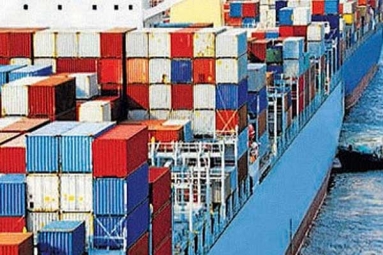
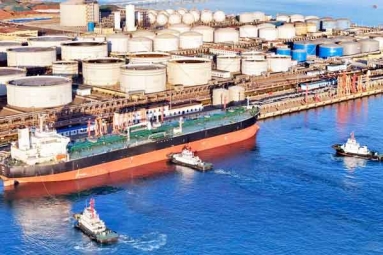
In retaliation, Iran launched missile strikes targeting Israeli land and US military bases in the Gulf, which included locations in the UAE, Qatar, Bahrain, Kuwait, and Jordan. Explosions were noted in Dubai. As the conflict escalated beyond mere symbolic actions, air travel was affected, with airspace being closed in the region. For China, this situation is very real. Beijing imports over 80 percent of Iran's oil shipments. In 2025, this amounted to around 1.38 million barrels daily, representing about 13 to 14 percent of all China's sea-borne crude imports. While this exposure is significant, China's main oil suppliers continue to be Russia and Saudi Arabia. Following the rise in tensions, Chinese oil refiners have discreetly reduced their imports from Iran and relied more on cheaper Russian oil to maintain a balanced supply. Balakrishnan, the co-founder of Avellon Intelligence, described Iran's response as "a historic strategic blunder. " He believes that Iran is not just facing a stronger military alliance, but is also "putting at risk its crucial role as a key player in China's energy and geopolitical strategy in West Asia. "
Iran is the foundation of a 25-year partnership with Beijing that encompasses energy, infrastructure, and transport routes linked to the Belt and Road Initiative. The shipment of discounted crude oil, often sent through complex trading networks, has supplied China with a consistent buffer amid sanctions from the West.
However, Balakrishnan claims that Iran's missile attacks on US operations located in Gulf Arab nations might have backfired in terms of strategy. "By attacking US operations on Arab land, Tehran has pushed away possible neutral allies and hastened the region's alignment with the US-Israel partnership," he stated. This change limits Iran's opportunities for diplomacy and makes it harder for China to maintain a balanced position in the area. The most concerning factor for Beijing is the Strait of Hormuz. About 44 percent of China's oil imports come from the wider Middle East. Any major disruption at this vital passage could have far-reaching effects beyond Iran's immediate exports to China. "If Hormuz were to be closed or seriously disrupted, it would hit Beijing hard," Balakrishnan cautioned, suggesting that oil prices could rise to between 100 and 130 dollars a barrel. Such an increase would put pressure on China's industrial sector and its growth goals during a sensitive economic period.
The imbalance in the China-Iran relationship is very clear. "Iran relies on China more than China relies on Iran," Balakrishnan mentioned, pointing out that a large portion of Iran's crude oil sales go to Beijing. This discrepancy gives China the advantage to subtly push for peaceful solutions while protecting its long-term energy and infrastructure interests.
If Iran becomes weaker and more isolated, it might rely even more on Chinese investments, technology, and diplomatic support. However, Balakrishnan emphasizes that this advantage will only remain if the conflict does not lead to a complete regional collapse that disrupts shipping routes and jolts oil markets. Currently, China is denouncing the war, balancing its imports among Iran, Russia, and the Gulf, while observing a partner testing the limits of its strategic importance, he argues.