(Image source from: News18.com)
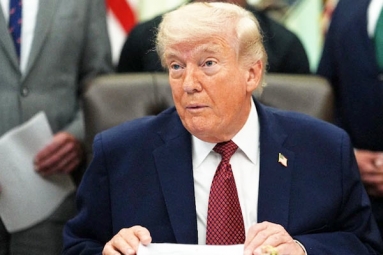
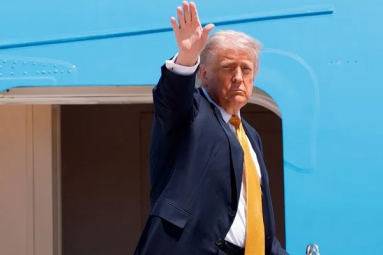
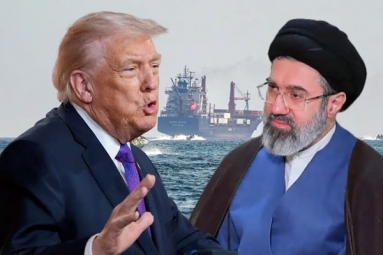
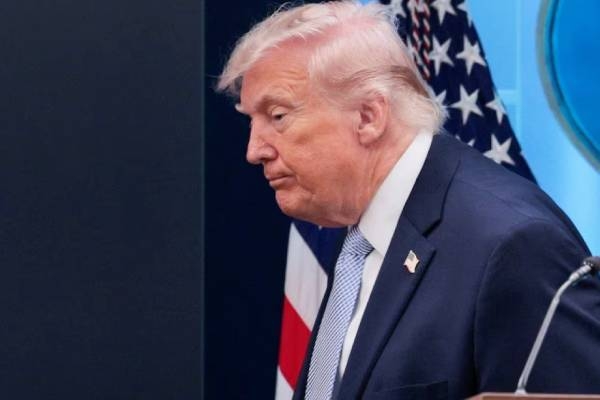
US President Donald Trump took advantage of initial discussions between American and Iranian representatives as a diplomatic way to step back from his threat to attack Iran's power stations, postponing a deadline related to the crisis in the Strait of Hormuz, as reported by The New York Times. This action followed heightened tensions after Trump cautioned Tehran that if they did not allow free passage through the crucial waterway within 48 hours, it would lead to attacks on vital energy facilities. The report indicated that Trump used what he called “productive conversations” between US and Iranian officials to explain his decision to delay immediate military action, even though representatives from both nations acknowledged that any talks were still at an early stage. Iranian officials publicly rejected the idea that negotiations to end the conflict were happening, while American officials warned that the early contacts were not serious. Nonetheless, Trump's choice to extend the deadline to Friday opened the door for diplomatic discussions and lessened the immediate chance of strikes on facilities that might cause a broader regional crisis.
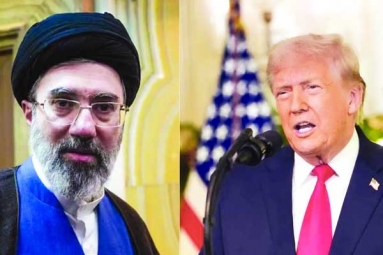
The initial 48-hour deadline was set to end on Monday, following Trump's threat to attack Iran’s power grid in response to the blocking of the Strait of Hormuz, an essential route for global oil flows. The New York Times reported that the White House used even minimal communication as a reason to extend the deadline, allowing talks to carry on. Trump pushed the deadline back by five days, stating that the extension depended on the progress of ongoing discussions. Trump mentioned that Iran was “eager to reach an agreement" and indicated that conversations had taken place on Sunday involving US envoy Steve Witkoff and his son-in-law Jared Kushner with an Iranian official, though he did not name the individual. However, Iran denied that any negotiations took place. Iranian parliament speaker Mohammad Bagher Qalibaf stated on social media that “no discussions have been held with the US," calling reports of talks “fake news" aimed at affecting financial and oil markets. Despite differing stories, the deadline extension alleviated immediate worries about a strike that could impact energy infrastructure throughout the region.
According to The New York Times, the possibility of negotiations allowed Trump to rethink his approach after making a threat that could have tied the United States into a complicated strategic situation. If the US had launched attacks on Iran’s power facilities, retaliation might have targeted Gulf allies already anxious about the escalating conflict. At the same time, pulling back from the ultimatum could appear as a sign of weakness, putting pressure on the administration to balance the need for deterrence with the desire for de-escalation, the report stated. It also noted that Trump is experiencing increasing domestic and economic pressure to reopen the Strait of Hormuz, as global oil and gas prices have surged due to concerns about supply interruptions. The leader of the International Energy Agency has warned that the ongoing shock to energy markets could surpass the oil crises of 1973 and 1979 combined, according to the report.
The Associated Press shared that Trump's change in stance led to a drop in oil prices and improved stock market performance, showing investors' optimism that negotiations might prevent more interruptions to worldwide energy supplies.
Efforts by nearby nations were crucial in backing the opportunity brought about by the extension of the deadline. Egypt and Turkey have exchanged communications between Washington and Tehran to stop attacks on energy facilities. Iranian Foreign Minister Abbas Araghchi had discussions with Turkish Foreign Minister Hakan Fidan, while Turkish officials reported that Fidan also spoke with officials from Qatar, Saudi Arabia, Pakistan, Egypt, and the European Union as part of wider efforts to reduce tensions. Egyptian President Abdel-Fattah el-Sissi mentioned that Cairo sent "clear messages" to Iran aimed at de-escalating frictions, and an Egyptian official stated that talks were ongoing with all involved parties to avoid further escalation. A diplomat from the Gulf informed the AP that mediation efforts led by Egypt and Turkey had been successful in preventing what could have turned into an "energy disaster" if attacks on infrastructure led to retaliatory strikes across the area.
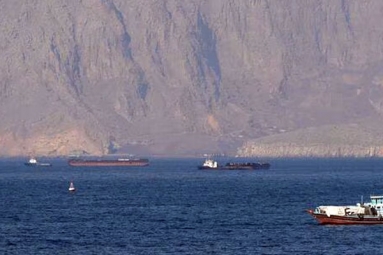
The situation around the Strait of Hormuz continues to be a significant element influencing US decision-making. Prior to the conflict, around 20 percent of the oil traded globally went through this route, making any disruption a serious worry for international markets. Iran’s Revolutionary Guard cautioned that any attack on energy facilities would result in retaliation against sites associated with US interests, such as power plants serving American bases and shared economic properties. Iranian media suggested that Trump extending the deadline was a sign of retreat, indicating that Tehran would maintain its defensive stance until it reached its deterrence objectives. Even though Trump claimed Iran was willing to negotiate, major disagreements remain intact. The AP reported that Trump stated the US would aim to take control of Iran’s enriched uranium reserves as part of any deal, a demand that Tehran has long rejected while insisting that its nuclear program is for peaceful purposes.
Princeton University professor Robert Goldston noted that Iran has finished 99 percent of the centrifuge work needed to create weapons-grade uranium for nine nuclear weapons, referencing International Atomic Energy Agency estimates that Iran had 440.9 kilograms of highly enriched uranium as of June 2025, as reported by the AP. While initial communications have opened up a temporary diplomatic pathway, both sides still publicly hold strong positions, highlighting the delicate state of the ongoing discussions.