Activist Bezwada Wilson, Carnatic singer T M Krishna earn Ramon Magsaysay Award 2016!
July 27, 2016 12:58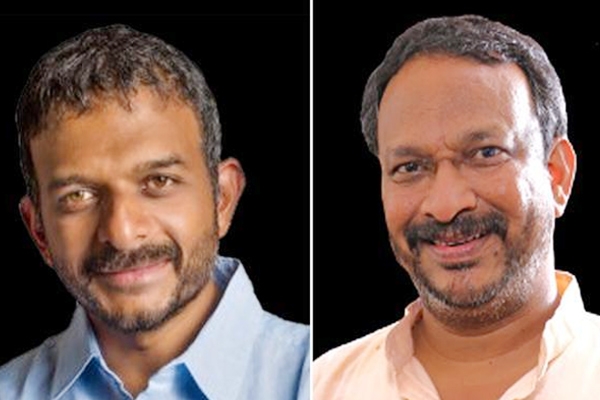
Two Indian, Karnataka-born human rights activist Bezwada Wilson and classical musician TM Krishna has been selected for the prestigious Ramon Magsaysay Award for 2016.
Excluding the two Indians, four others have been nominated for the award including, Dompet Dhuafa of Indonesia, Conchita Carpio-Morales of the Philippines, ‘Vientiane Rescue’ of Laos and Japan Overseas Cooperation Volunteers.
Wilson, the national convenor of the Safai Karmachari Andolan (SKA) was chosen for the award for “asserting the inalienable right to a life of human dignity” while Krishna has been named as an awardee under the ‘Emergent Leadership’ category for bringing “social inclusiveness in culture”.
“Manual scavenging is blight on humanity in India. Consigned by structural inequality to the dalits, India’s ‘untouchables’, manual scavenging is the work of removing by hand human excrement from dry latrines and carrying on the head the baskets of excrement to designated disposal sites,” states Wilson’s citation.
The citation said that, “A hereditary occupation, manual scavenging involves 180,000 dalit households cleaning the 790,000 public and private dry latrines across India; 98 per cent of scavengers are meagerly paid women and girls. While the Constitution and other laws prohibit dry latrines and the employment of manual scavengers, these have not been strictly enforced since government itself is the biggest violator.”
“Treated as an outcast in school and acutely aware of his family’s lot, Bezwada was filled with great anger; but he would later channel this anger to a crusade to eradicate manual scavenging,” the citation added.
“Wilson has spent 32 years on his “crusade, leading not only with a sense of moral outrage but also with remarkable skills in mass organizing, and working within India’s complex legal system.”
“In electing Bezwada Wilson to receive the 2016 Ramon Magsaysay Award, the board of trustees recognizes his moral energy and prodigious skill in leading a grassroots movement to eradicate the degrading servitude of manual scavenging in India, reclaiming for the dalits the human dignity that is their natural birthright,” the citation said.
On the other hand, 40-year-old Krishna has been hailed in the citation as “showing that music can indeed be a deeply transformative force in personal lives and society itself.”
“Though he earned a degree in economics, Krishna chose to be an artist and quickly rose to become a highly-admired concert performer of Carnatic classical music,” his citation said.
“An ancient vocal and instrumental musical system,”An ancient vocal and instrumental musical system, Carnatic music started centuries ago in temples and courts but was subsequently ‘classicised’ to become the almost exclusive cultural preserve of the Brahmin caste performed, organized, and enjoyed by the elite who have access to it,” the citation said.
“While grateful for how Carnatic music has shaped his artistry, Krishna would question the social basis of his art.”
“He saw that his was a caste-dominated art that fostered an unjust, hierarchic order by effectively excluding the lower classes from sharing in a vital part of India’s cultural legacy,” it said.
“While much of his work is still ahead of him, he is embarked on an important path. Krishna is resolved to break barriers of caste, class or creed by democratizing music, cultivating thought-processes and sensibilities that unite people rather than divide them,” the citation said.
“In electing Thodur Madabusi Krishna to receive the 2016 Ramon Magsaysay Award for Emergent Leadership, the board of trustees recognizes his forceful commitment as artist and advocate to art’s power to heal India’s deep social divisions, breaking barriers of caste and class to unleash what music has to offer not just for some but for all,” it said.
Also Read: 17th Kargil Vijay Diwas: The Nation pays tribute to the Kargil Heroes
Nandini