(Image source from: Ndtv.com)
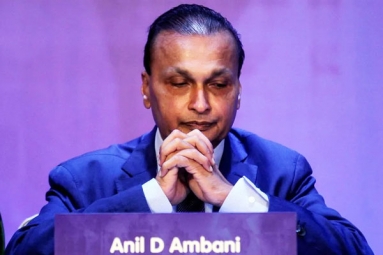
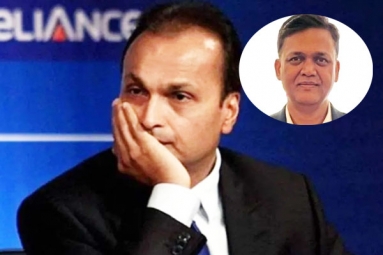
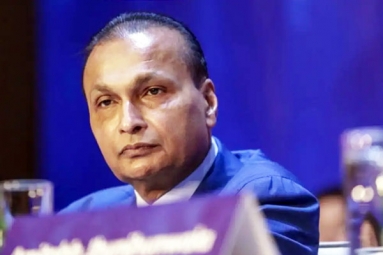
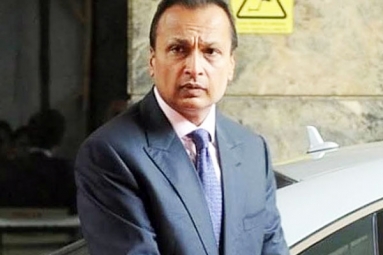
Reliance Group’s Chairman Anil Ambani was questioned by the Enforcement Directorate on Tuesday morning regarding allegations of money laundering associated with supposed bank loan fraud amounting to Rs 17,000 crore. The investigation team approached Mr Ambani after spending three days examining the records of 50 companies at 35 different sites and interviewing 25 individuals. According to sources, a significant number of damaging documents and digital proof was found, leading to his summons. The agency has contacted around twelve banks to request information on the examination process for loans given to Mr Ambani’s companies, which include Reliance Housing Finance and Reliance Communications. Information has been requested from the State Bank of India and private banks like Axis, ICICI, and HDFC. Specifically, they want details on how loan approvals were handled, the timeline for defaults, and follow-up recovery actions related to these accounts, sources reported.
Overall, the Enforcement Directorate has stated that there was a "planned scheme" to deceive banks, investors, shareholders, and public entities by misusing loan resources, according to sources. Last week, the agency made its first arrest in connection with the case; Partha Sarathi Biswal, the Managing Director of Biswal Tradelink Pvt Ltd, was taken into custody for submitting Rs 68 crore in false guarantees. An initial investigation showed that Rs 3,000 crore in loans from Yes Bank, given between 2017 and 2019, were improperly directed. A similar type of fraud, but much larger at over Rs 14,000 crore, was reportedly carried out by Reliance Communications, officials stated. The agency has pointed out an unlawful quid pro quo arrangement where Yes Bank executives allegedly received payments in privately-owned companies immediately before loans were approved. The investigation also highlighted cases of loans granted to firms with poor or unverified financial backgrounds, shared directors and addresses, missing key documents, money being funneled to shell companies, and instances of "loan evergreening," which means using new loans to pay back old ones.
Sources indicated that the initial investigation suggests some loans were authorized and released on the exact same day the application was submitted, while others were transferred before they were officially "approved." These "loans" include those provided to Reliance Housing Finance Limited, or RHFL. In fact, the company’s corporate loan portfolio rose from Rs 3,742 crore in FY18 to Rs 8,670 crore in FY19. Mr Ambani is also facing potential charges related to another set of alleged loan frauds, this time totaling Rs 14,000 crore and connected to his flagship company, Reliance Communications, or RCom. In June, the SBI classified the RCom loan account as a "fraud" and mentioned it would report Mr Ambani to the CBI, although this has not yet been done. The bank claimed it had found evidence of fund misdirection, faulty accounting, and manipulation of records through related RCom entities. The SBI said that there were "irregularities" in how these loans were utilized and that these "irregularities" involved a "complicated network of fund transfers among various group entities." A law firm representing Mr Ambani replied to the allegations from the State Bank.
The law office mentioned that Mr Ambani was surprised to get the ex-parte decision, which is an order given without hearing from both parties, from the Fraud Identification Committee. RCom is also accused of being involved in a scam of Rs 1,050 crores against Canara Bank. They used fake bank guarantees, including one from Partha Biswal, to secure loans. Once one of the richest individuals globally, Mr Ambani's previously successful business has fallen apart due to accusations of fraud, misuse of funds, fake guarantees, and failures to pay, both in India and overseas. The list of accusations also includes a ruling from the markets regulator SEBI, stating that Mr Ambani, with assistance from high-ranking officials at Reliance Home Finance, took over Rs 5,000 crores by pretending they were loans to companies associated with him. He was fined Rs 25 crores, while the company had to pay an extra Rs 6 lakhs.