(Image source from: Livemint.com)
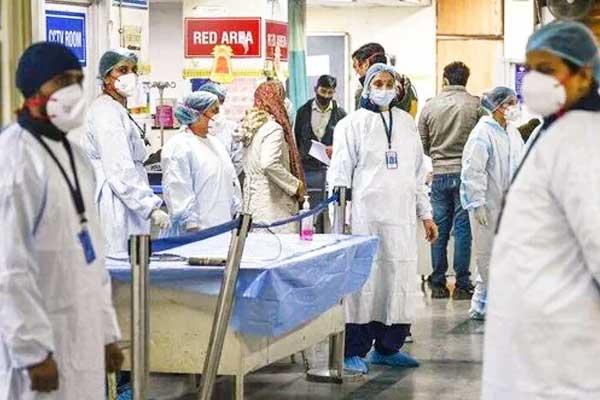
In recent weeks, Delhi-NCR has experienced a notable rise in viral illnesses. A survey conducted by LocalCircles involving more than 11,000 homes found that 69% of them had at least one person showing signs like fever, cough, sore throat, and breathing issues. This surge is much higher compared to earlier in the year, like in March 2025, when about 54% of households reported similar symptoms. Medical professionals and virology experts attribute this increase mainly to the H3N2 subtype of influenza A. What makes this season unusual is that many cases are more intense than the regular seasonal flu, such as fevers lasting longer, over-the-counter medications not working as well, and a rise in hospital visits, particularly among at-risk groups. Considering Delhi's crowded living situations, significant rates of co-existing health issues (like diabetes, respiratory problems, and heart diseases), and ongoing rainy weather promoting the virus's spread, this situation poses a serious health issue. Quick awareness, accurate diagnosis, prevention measures, and proper care can greatly help before conditions worsen.
H3N2 is one variant of the Influenza A virus. Influenza viruses are classified based on their surface proteins called haemagglutinin "H" and neuraminidase "N." Therefore, H3N2 indicates type-3 H and type-2 N. It is one of the viral strains that causes the seasonal flu, indicating that it exists among humans, changes over time, and can vary in severity from season to season. It usually leads to more severe symptoms in those who are at higher risk, including:
Young children,
Elderly people,
Expectant mothers,
Individuals with weakened immune systems, and
People with existing health issues such as asthma, chronic obstructive pulmonary disease (COPD), heart disease, or diabetes.
H3N2 flu is different from COVID-19 and the common cold. Here is how:
Type of virus: H3N2 is an influenza A virus, while COVID-19 is caused by the SARS-CoV-2 coronavirus. The common cold is usually caused by rhinoviruses or adenoviruses.
Start of symptoms: H3N2 usually shows symptoms suddenly, often within 1-4 days after being exposed. COVID-19 symptoms can take 2-5 days or sometimes longer to appear. The common cold typically develops gradually, with symptoms appearing slowly.
Common symptoms: H3N2 often comes with sudden fever, chills, serious body pain, cough, headache, sore throat, and fatigue. COVID-19 has some of these symptoms but often includes loss of taste or smell and can lead to more serious breathing problems. The common cold usually causes sneezing, a runny nose, and a mild sore throat without a high fever.
Length of illness: H3N2 symptoms last about 5-10 days, though coughing and tiredness may continue. COVID-19 varies, with some people recovering quickly while others have long-lasting effects. A common cold often gets better within 3-5 days.
Severity: H3N2 can lead to complications like pneumonia or worsen chronic illnesses, especially in vulnerable people. COVID-19 can impact multiple organs and sometimes results in long COVID. The common cold is typically mild and poses less risk.
Here are some signs of H3N2 flu that you should watch out for:
A sudden high temperature (usually over 38-39C) along with chills
A constant cough and a scratchy throat
Extreme tiredness, weakness, and aches throughout the body
Head pain and stuffy nose
In kids: sometimes feeling sick, throwing up, or having diarrhea
Many individuals affected by this outbreak report having a fever for more than 5-7 days, with a cough persisting even as other symptoms get better
Signs that require immediate medical attention are trouble breathing, chest discomfort, lips or face turning blue, confusion, or not being able to keep fluids down.
As with all viral infections, preventing H3N2 flu requires following these important steps:
Regularly wash hands with soap and water for at least 20 seconds
Wear masks in crowded or poorly ventilated areas
Cover your mouth and nose when you cough or sneeze, and throw tissues away right after use
Avoid being close to sick individuals; if someone at home is unwell, try to keep them away from others
Ensure your living areas have good airflow to limit the spread of the virus
Eat well, drink enough fluids, and get sufficient rest to help boost your immune system
Think about getting the seasonal flu vaccine, which often includes protection against H3N2 strains. This is particularly important for children, the elderly, and those with ongoing health issues.
You should see a doctor if:
A high fever lasts more than 3-4 days
You have trouble breathing, chest pain, or a worsening cough
Your symptoms do not get better with rest and usual medications
You are unable to keep food or fluids down
You are in a high-risk category such as older adults, pregnant women, children, or those with ongoing health conditions.
Treatment:
Prescribed antiviral medications like oseltamivir (works best if taken early)
Fever reducers and pain relief medicines like paracetamol
Cough medications (expectants or suppressants, depending on what a doctor recommends)
Rest, fluids, and nutrition at home for most mild to moderate cases
Hospital care and oxygen support for serious cases or complications.
Suggestions:
Stay in a separate room if you can
Use steam inhalation or humidifiers to relieve congestion
Keep dishes, bedding, and towels separate for the person who is sick
Regularly clean surfaces that are touched often.
The current rise in viral illnesses in Delhi-NCR, mainly caused by H3N2 influenza A, is a reminder to take action. With almost 7 out of 10 homes affected, taking preventive steps, seeking medical help early, and caring responsibly are crucial. While many recover with rest, those at higher risk need to be especially careful. Staying aware, being cautious, and taking early action are our best defenses against this seasonal threat.