(Image source from: Moneycontrol.com)
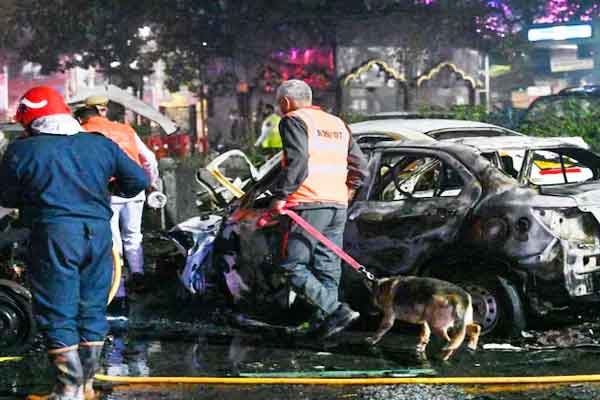
The investigators remain uncertain about the specific explosive or chemical that was responsible for the fatal car explosion that occurred on Monday near the Red Fort. Forensic researchers and the explosives unit from the National Security Guard have gathered evidence and started testing it, but they have yet to release a final report. However, initial findings indicate that the device might have used powerful military-grade explosives because of the extent of the destruction and the number of injuries. Teams at the blast site have found around 42 pieces of evidence so far. These items include parts of the blown-up Hyundai i20, such as tires, the chassis, CGC cylinder, fragments of the hood, and various bits and powder remnants. All of these materials have been sent to laboratories for chemical and microscopic analysis. According to the investigators, these samples will play a vital role in identifying the precise explosive that was employed and the method used to detonate it. The NSG’s explosives experts are also investigating the debris and will forward their technical evaluation to the investigative bodies.
As reported, the investigators have instructed forensic teams to look for signs of PETN, semtex, RDX, as well as ammonium nitrate fuel oil and parts of detonators. PETN is a potent explosive commonly found in plastic explosives such as semtex. It is very powerful, effective in small quantities, and its colorless crystalline form can be difficult to detect. PETN detonates when subjected to shock or heat and does not require additional metal pieces to inflict serious damage since the energy from the explosive alone can demolish a vehicle. Due to its potency and low detectability, it has been used in previous terrorist activities. RDX is another type of military explosive known for its strong explosive impact and has been associated with some earlier attacks.
ANFO, which is a blend of ammonium nitrate and fuel oil, is less expensive and easier to access. When detonated, it produces a powerful shock wave and is frequently used in large homemade explosives. Officials mention that mixed explosives, like combining PETN or RDX with ANFO, have been utilized in earlier cases to enhance their destructive capabilities. In the 2011 Delhi High Court explosion, the initial forensic examination indicated a combination of ammonium nitrate and PETN, although later reports referred to RDX.
In addition to the explosive remnants, investigators are also examining how the device was triggered. Early probes suggest a proper detonation circuit might have been integrated into the car. Small electronic components discovered at the location suggest that a regular watch and button batteries could have been used to activate the device. Such straightforward circuits can function as timers or switches, making them beneficial in making improvised bombs. Officials state that while initial evaluations indicate specific types of explosives, final verification will only be possible after analyzing the samples in a lab. Authorities anticipate more definitive results in a few days and will continue assembling the technical, forensic, and electronic evidence to ascertain the exact cause of the blast and its construction method.