(Image source from: PTI)
In a significant court decision that could greatly influence medical ethics and patient safety, the Supreme Court of India has determined that stem cell therapy is not appropriate for treating Autism Spectrum Disorder (ASD). The court has emphasized that providing stem cell treatments for autism outside of approved and overseen clinical trials is not only morally wrong but also constitutes medical malpractice. This ruling comes amid rising worries about untested and experimental therapies being promoted to families seeking help. Autism Spectrum Disorder is a complicated developmental condition for which there is no known cure at this time.
Although stem cell research has potential in various medical areas, reputable scientific organizations have consistently warned that there is no solid proof that stem cell therapy is safe or effective for autism. The Supreme Court's ruling reinforces an essential rule in modern medicine: patients cannot insist on receiving experimental treatments just because they want them, and true consent can only be obtained when based on reliable, evidence-supported information. The court also established protections for patients currently receiving such treatments, ensuring ongoing care but strictly within ethical research frameworks.
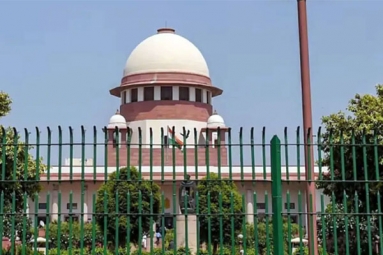
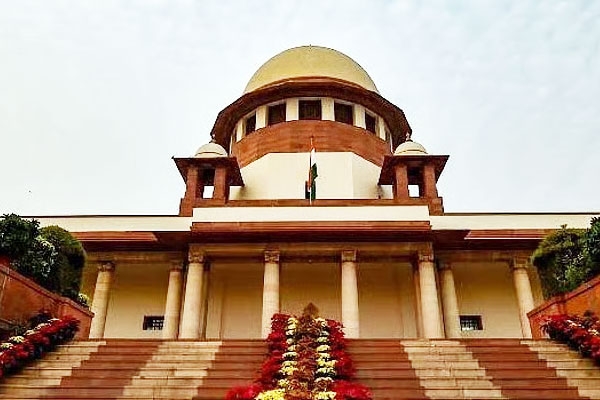
The Supreme Court stated that stem cell therapy for Autism Spectrum Disorder does not satisfy the "adequate information" requirement needed for legitimate medical consent. The court noted that patients and caregivers are often misled into believing they will benefit from a treatment that lacks scientific evidence, which is a serious breach of medical ethics. In its decision, the court declared that any use of stem cells on patients outside of an authorized clinical trial is unethical and should be considered malpractice. The panel stressed that just because stem cells are categorized as "drugs" under the Drugs and Cosmetics Act of 1940, it does not mean their use is automatically justified as allowable clinical practice.
Justice Pardiwala, while delivering the judgment, highlighted that stem cell treatments are allowed only when conducted within approved, regulated, and monitored clinical trials, with the aim of enhancing scientific understanding, rather than being provided as standard therapy to patients.
In an important explanation, the Supreme Court mentioned that patients currently receiving stem cell treatment for autism spectrum disorder should not be cut off suddenly. However, their therapy cannot continue as regular clinical care. The court instructed the National Medical Commission, AIIMS, and the Secretary of the Ministry of Health and Family Welfare to make sure these patients are moved to properly approved clinical trials until organized research methods begin. This decision is to protect patient safety and to stop the unethical use of treatments that have not been proven. A major point of the ruling is its focus on informed consent. The court decided that consent is not legitimate if it is not based on reliable and sufficient scientific evidence. Since stem cell treatment for autism does not have established proof of safety and effectiveness, patients cannot make a well-informed choice. The court pointed out that giving families the option between no treatment and a treatment that is not proven does not constitute valid consent, particularly when families are in a vulnerable emotional state.
This aligns with international ethical standards, such as advice from the World Health Organization and the International Society for Stem Cell Research, both of which warn against the use of stem cells in clinical practice without strong evidence. Reinforcing established law on medical negligence, the Supreme Court stated that a doctor fails to meet the reasonable standard of care if they provide a treatment lacking credible scientific backing or if respected medical organizations clearly say that the treatment is not advisable. The court highlighted that medical practices should be evaluated based on accepted professional standards of the time, relying on available scientific data. Any divergence, especially involving experimental treatments presented as actual care, puts practitioners at risk for negligence claims.
The Indian Council of Medical Research states that stem cell therapy for autism is still in the experimental stage, lacking enough evidence to support its clinical application. The National Guidelines for Stem Cell Research clearly indicate that such therapies should only take place in approved clinical trials. Likewise, the World Health Organization and the International Society for Stem Cell Research caution that using stem cells in clinical settings too soon can put patients at unknown dangers, including immune responses, infections, and long-lasting problems. The Supreme Court's decision delivers a strong and necessary message. Medical progress cannot sacrifice ethics, evidence, or patient safety. By banning stem cell therapy for autism outside of monitored research, the court has clearly distinguished between scientific investigation and exploitative medical practices. For families dealing with autism, this ruling emphasizes the need for care based on evidence, behavioral treatments, and ongoing support, while making sure that future research is done responsibly. For the medical community, it establishes responsibility, clearly stating that unverified treatments presented as therapy do not have a role in ethical healthcare.