(Image source from: pharma.economictimes.indiatimes.com)
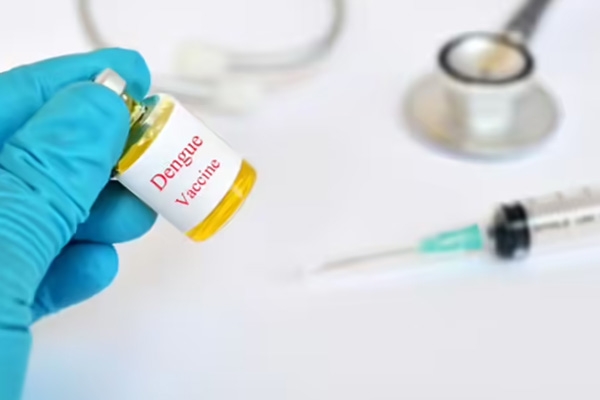
India is making progress toward its first homegrown dengue vaccine called DengiAll, which is now in the final testing phase. This vaccine, created by Panacea Biotec together with the Indian Council of Medical Research (ICMR), will be among the first in the world to provide protection with a single shot against all four types of dengue as cases are on the rise. Dengue is a viral disease caused by the dengue virus (DENV), which spreads to people through the bites of infected mosquitoes. The World Health Organization (WHO) reports that about half of the global population is at risk for dengue, with an estimated 100 to 400 million infections happening each year. In 2024, India had 233,519 recorded dengue cases and 297 fatalities according to the National Centre for Disease Control. Most people infected don’t show symptoms, but those that do usually recover in one to two weeks. Some may develop severe forms of dengue, requiring hospital treatment. Symptoms can vary from mild fever and joint pain to severe dengue hemorrhagic fever, which can lead to shock and death if not treated. Severe dengue is marked by plasma leakage, heavy bleeding, and organ failure. Major causes of death include shock (Dengue Shock Syndrome), major bleeding, and severe liver or organ problems.
Currently, there is no cure for dengue, and treatment mainly focuses on easing symptoms with rest, fluids, and medicine. Every year, India sees an increase in dengue cases during the monsoon season, making a vaccine a potential safeguard against this mosquito-borne illness. The development of a dengue vaccine has encountered challenges due to a problem known as antibody-dependent enhancement (ADE). This occurs when antibodies from a previous infection or vaccine don't neutralize the virus but instead bind to another serotype, leading to increased virus replication and more serious illness. This was a concern with the first licensed dengue vaccine, Dengvaxia, which resulted in limited use and the need for more balanced vaccine approaches. Dengvaxia and Qdenga are the two main vaccines approved globally, aimed at protecting against all four virus serotypes while reducing serious disease and hospital admissions.
DengiAll, which is a tetravalent live-attenuated vaccine created by Panacea Biotec, utilizes weakened forms of all four dengue virus serotypes. This vaccine is given in a single dose, making it easier to administer than other vaccines that require multiple doses. Previous Phase 1/2 studies showed that it produced a strong immune response without serious side effects, creating antibodies for all the serotypes. This could make DengiAll the first dengue vaccine made in India. Over 10,000 volunteers from around the country are participating in the study, which is managed by the Indian Council of Medical Research. The vaccine could be available as soon as next year if the trial results are positive. In a conversation with AFP, Syed Khalid Ali, the chief scientific officer of Panacea, mentioned, "We will work to make this vaccine available as quickly as we can." Doctor Ekta Gupta, a clinical virology professor at the Institute of Liver and Biliary Sciences in New Delhi, remarked, "This vaccine is urgently needed right now to manage the number of cases and to reduce their severity. "
The Phase 3 trial began in August 2024 and includes a multicenter, randomized, placebo-controlled study at 19 to 20 locations in areas where dengue is common, such as Pune, Chennai, Kolkata, Delhi, and Bhubaneswar. Over 10,000 healthy adults aged 18-60 participated. These individuals were randomly divided to receive either the vaccine or a placebo. By mid-2025, 70% of enrollment was reached, and it was fully complete by late 2025 or early 2026. Now, participants will be monitored for two years to assess the vaccine's effectiveness in preventing dengue, its immunogenicity, and its safety. The TetraVax-DV, developed by the Serum Institute Of India, is another tetravalent live-attenuated vaccine. It moved into Phase 3 in 2023, with participation exceeding 10,000 volunteers at over 20 sites. This vaccine's design is similar to that of DengiAll. TetraVax-DV is being developed in partnership with the US National Institutes of Health (NIH) and aims for an early launch.