(Image source from: Canva.com)
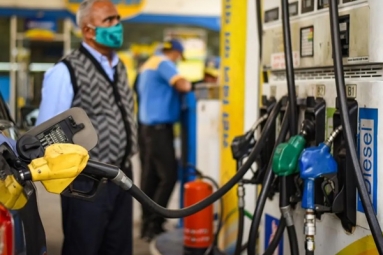
Choosing the correct petrol for your vehicle in India involves more than just heading to the nearest fuel station and filling your tank. With various fuel options available, each claiming different advantages for performance, efficiency, and engine condition, it can be confusing. No matter if you own a small hatchback, a powerful sedan, or a scooter, knowing the differences among petrol types can assist you in making a smart decision. This guide will explain all the petrol types found in India, from regular unleaded to petrol mixed with ethanol, so you can refuel confidently.
Regular Petrol: Regular petrol, usually referred to as unleaded or standard petrol, has an octane rating of 91 and is widely used in everyday vehicles. It is made for typical driving situations, offering a blend of good performance and reasonable pricing. Suitable for most engines, it ensures reliable operation without the higher cost of premium fuels. While it may lack the advanced features of high-octane fuels like XP95, the comparison between standard petrol and premium fuel shows that regular petrol remains an effective and budget-friendly choice for daily use.
Premium Petrol: Premium petrol is a high-octane fuel, usually rated between 95 and 100, made to provide improved engine performance and decreased knocking in high-compression engines. It promotes smoother combustion and increased efficiency, especially during challenging drives. Different brands sell this petrol under various names. For example, Indian Oil has XP95 and XP100, Bharat Petroleum offers Speed and Speed 97, while Hindustan Petroleum markets poWer and poWer95.
Ethanol-Blended Petrol (E10, E20): Ethanol, also known as ethyl alcohol (C2H5OH), is a biofuel that comes from fermenting sugars found in sources like sugarcane or other organic items such as food grains. To help lower carbon emissions, India launched the Ethanol Blended Petrol (EBP) program, which mixes this biofuel with petrol to reduce petrol usage. Previously, India achieved its E10 goal, where petrol had 10 percent ethanol, and now, fuel stations provide E20 petrol, which contains 20 percent ethanol. The government plans to increase the ethanol content in petrol in the future.
Earlier, while highlighting the advantages of E20 fuel, the ministry pointed out that ethanol has a higher octane rating than petrol (108.5 versus 84.4), suggesting that mixtures of ethanol and petrol have a better octane rating than regular petrol, especially in vehicles tuned for E20. Additionally, the government noted that there is only a minor reduction in fuel efficiency.