Rahul Gandhi's Bihar Yatra Route: Congress Trailing in all Seats
November 14, 2025 20:18
(Image source from: x.com/RahulGandhi)
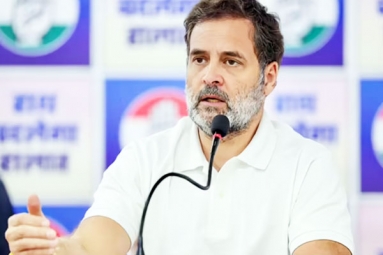
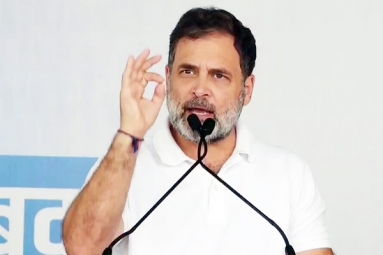
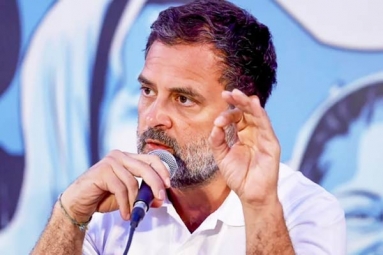
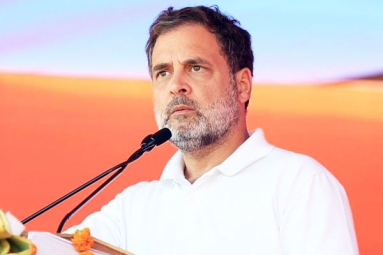
The results of the Bihar elections not only show a big loss for the Congress party but also represent a significant blow to Rahul Gandhi, who traveled around the state earlier this year to persuade voters that the BJP was manipulating the voting process. In August, Gandhi held the Voter Adhikar Yatra, encouraged by two previous yatras that the party believed helped them secure votes in earlier elections.
This yatra started in Sasaram and concluded in Patna, traveling through 25 districts and covering 110 assembly constituencies, which totaled nearly 1,300 km. However, it seems that not a single constituency along the way is leaning toward Gandhi's party. Current indications show that Congress is only in the lead for four seats—Valmiki Nagar, Kishanganj, Manihari, and Begusarai—out of the 61 seats in which they participated. The Congress was hopeful that Gandhi's past yatras boosted their chances in the upcoming 2024 Lok Sabha elections and the 2023 Telangana elections. They had achieved victory in 41 seats along the paths of the two national 'Bharat Jodo' yatras that Gandhi led from 2022 to 2024. In Telangana, they were successful in the elections and established a government there.
However, it seems that Gandhi's influence has waned in the Gangetic region of Bihar. The NDA won most of the seats, with both the BJP and JDU capturing the majority of those they contested. Currently, the BJP holds 91 seats while the JDU has 80, having both contested 101 seats. Even their partners performed well. The Lok Janshakti Party (Ram Vilas) led by Chirag Paswan is ahead in 22 out of 28 seats it contested. Upendra Kushwaha's RLM is leading in 3 out of 6 seats, and Jitan Ram Manjhi's HAM is ahead in 5 out of 6 seats. The outcomes in Bihar indicate that Gandhi's claims of "vote theft" against the BJP and the Election Commission did not resonate with the voters. The Congress stated that the Bihar yatra aimed at exposing what they described as a "BJP strategy to disenfranchise many voters in Bihar" through the Special Intensive Revision of the electoral lists. They characterized the yatra as a moral effort to protect the voices of the marginalized from being lost due to deceitful tactics, with senior leaders calling it a "significant game-changer."
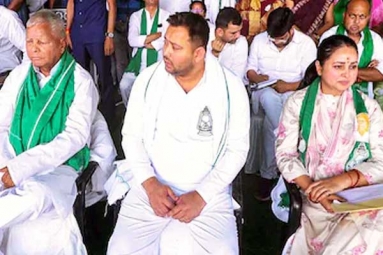
"This conflict is about safeguarding the fundamental democratic principle of 'everyone's vote counts,'" Gandhi had stated. The Election Commission rejected the claims as false. Even voters in Bihar now seem to have turned away from Gandhi's accusations. The Congress party has not yet evaluated its poor performance in Bihar, but several reasons seem to have benefited their opponents, including the disunity among the members of the Mahagathbandhan alliance. One issue was the Congress's reluctance to support the RJD's Tejashwi Yadav as the leading candidate for chief minister. Additionally, the absence of a coordinated approach was noticeable, which hindered the Grand Alliance's ability to communicate effectively with the voters. Although Gandhi's rally brought new motivation to local party workers, that energy was lost by the end of the campaign. The enthusiasm faded, excitement dwindled, and the party's presence diminished significantly. Conflicts and divisions among the coalition partners also created uncertainty and negatively impacted both Congress and the RJD.