(Image source from: x.com/BJP4India)
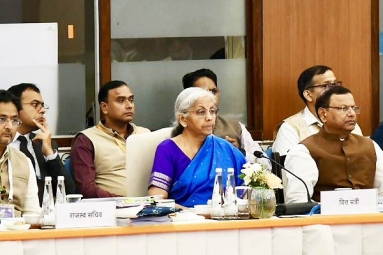
The Goods and Services Tax Council has made decisions to make it easier for businesses to follow rules, sources informed NDTV on Wednesday evening. The approved decisions include shortening the registration period for MSMEs, which are medium, small, and micro businesses, as well as start-ups, from 30 days down to just three. A plan for faster GST refunds for exporters was also accepted. The council started its two-day meeting this morning, focusing on adjusting GST tax categories as the main topic. They are looking into suggestions to reduce the current tax brackets by 50%. Right now, there are four categories: five percent, twelve percent, eighteen percent, and twenty-eight percent. The government plans to move 90% of items in the twenty-eight percent category down to the eighteen percent level and lower many items from twelve percent to five percent. This change is expected to encourage local buying and balance out the anticipated revenue loss of Rs 50,000 crore.
In total, eight areas - textiles, fertilizer, renewable energy, automotive, handicrafts, agriculture, health, and insurance - are expected to gain the most from the changes in tax rates, sources mentioned. There are also suggestions to exclude specific goods or services, including life and health insurance premiums, which currently face an eighteen percent tax, from the GST system. However, certain “luxury” products, like tobacco and expensive cars, as well as alcohol, will still be labeled as "sin goods," and now, there will be a Health Cess or a Green Energy Cess added. These are proposed to take the place of the end of the Compensation Cess.
Earlier today, sources indicated that the suggestions for restructuring are based on significant differences in the revenue collected from the existing four slabs over the last eight years. The government believes that this will benefit the middle class, as prices for “daily use items” (which is still unclear) and “aspirational” goods should decrease.
The tax reductions are meant to motivate manufacturers to lower their prices. Although the drop isn't anticipated to fully match the rate cut because manufacturers rarely implement the full reduction, it should help increase production. For instance, moving items from the high twenty-eight percent slab to the medium eighteen percent should theoretically result in substantial savings for cost-sensitive Indian buyers. Additionally, selling more units should help manufacturers deal with concerns like thinner profit margins. Consequently, these manufacturers, who often work in labor-heavy industries like automotive and consumer electronics, may feel encouraged to hire more employees. The higher demand from the revised GST categories is also expected to counterbalance any effects of the 50% tariffs on exports to the United States, as announced by Donald Trump last month.
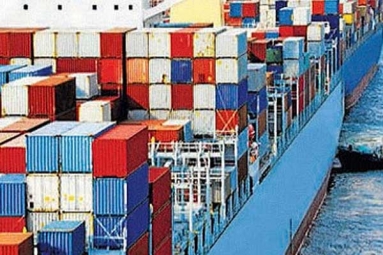
According to government insiders, these import taxes are predicted to affect exports totaling $48 billion. The council will strive to create agreement in favour of this simplification. States not governed by the BJP, however, are anticipated to voice resistance, asserting that the income shortfall is excessively significant. Tamil Nadu and West Bengal, both of which hold elections the following year, are among the eight states anticipated to highlight that possible deficit (estimated at approximately Rs 50,000 crore) and request reimbursement.