(Image source from: Tradebrains.in)
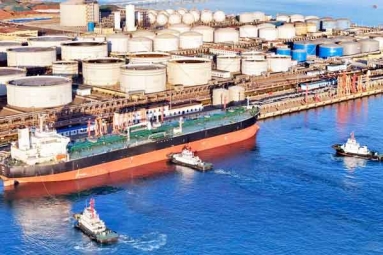
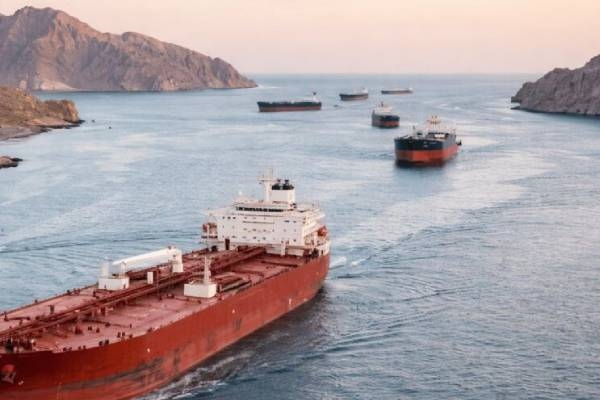
While many focus on the Strait of Hormuz, China is striving to render that discussion irrelevant. Each escalation in tensions between the US and Iran causes oil markets to react dramatically, with prices fluctuating and fears of supply affecting global discussions. However, Beijing is avoiding that situation entirely. It is creating an alternate framework intended to bypass the very dangers that others are factoring in. Central to this initiative is the State Grid Corporation of China, an extensive network that already supplies power to over a billion people and spans more than 80 percent of the nation. Together with China Southern Power Grid, it is developing what increasingly appears to be a long-term strategy for energy. This involves a nationwide supergrid aimed at decreasing dependency on imported oil and the vulnerable maritime routes that transport it. The plan is extensive, featuring ultra high voltage transmission lines being rapidly set up to connect inland areas rich in coal, wind, and solar resources to the industrial coastal regions where demand is high. The goal is to electrify a larger portion of the economy, efficiently transfer power across long distances, and lessen vulnerability to outside disruptions.
A crypto company based in Vietnam, which is monitoring this transition, described the change in straightforward terms. "China is creating an actual supergrid. Power flows from West to East, bringing wind and solar from distant areas to factories on the coast. This isn’t just a plan; it’s already in progress. Ultra high voltage lines transport electricity throughout the nation at a large scale. " It predicts that approximately 4 trillion yuan, or about 574 billion dollars, will be invested from 2026 to 2030. "Oil choke points like the Strait of Hormuz become less important. Conflict just accelerates the process. "
What China Is Doing?
Creating ultra-high voltage "highways" to distribute power across thousands of kilometers within China.
Transmitting wind and solar energy from the west and north to factories and cities on the eastern coast.
Financing this with large amounts of state-supported bond issuance and low-cost borrowing.
Investing trillions of yuan in grid infrastructure for electric vehicles, artificial intelligence, and manufacturing.
Gradually making oil choke points similar to the Strait of Hormuz less vital.
The financing indicates a clear purpose. China's grid operators have significantly raised bond issuance, generating tens of billions of dollars in the domestic market. The State Grid Corporation has increased its borrowing for 2025 as its project plans grow, channeling funds into large-scale transmission infrastructure. These are not traditional utility companies seeking quick profits. With government support, they can undertake long-term projects and handle extended payback periods. This strategy allows Beijing to focus on enhancing capacity, resilience, and control rather than immediate financial returns. A stronger grid can take in more renewable energy, accommodate the increasing electricity demand from industries and technology, and gradually reduce reliance on imported fuels.