(Image source from: thefederal.com)
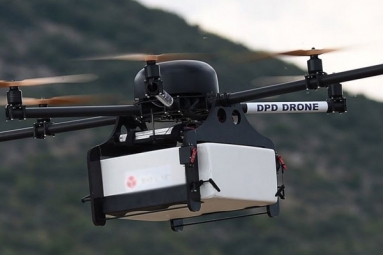
India imports sophisticated drones for the Armed Forces, but the indigenous drones have proved their mettle in various areas.
Amid PM Narendra Modi urging people to become self reliant, home grown drones can be the major area for development.
Experts believe that scaling up the production of innate drones would not only boost the local industry but also provides lakhs of jobs.
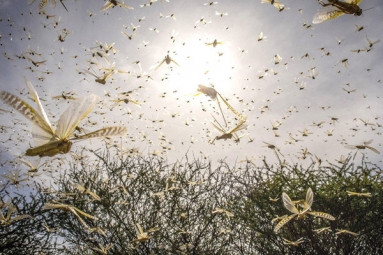
From spraying disinfectants in the inaccessible areas in COVID-19 hotspots to protecting the crop fields from locusts, drones have proved to be a great advantage in these turbulent times.
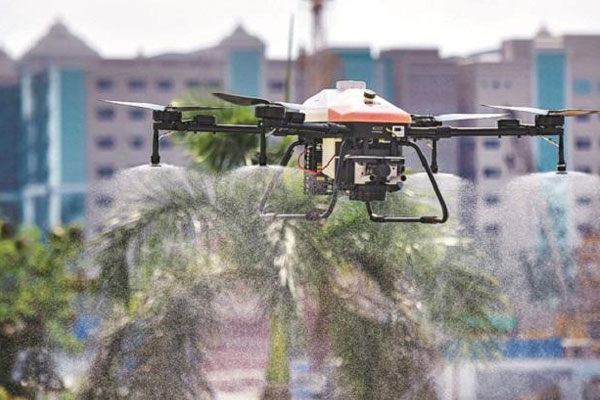
Shortly after the coronavirus outbreak in India, drones took to sky to spray disinfectants in congested areas, COVID-19 hotspots and other urban spaces.
Drones have actually reduced some burden on the workers and civic authorities in their efforts with fighting the pandemic.
The drones from educational institutions and private companies are being widely used for disinfection of the high risk areas in an efficient manner.
Moreover, some of these drones are powered by petrol enabling longer functioning of these drones without the need for charging every now and then.
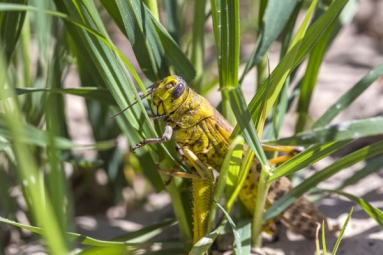
Recently, civil aviation ministry has given permission to the agriculture ministry to operate the drones for spraying the pesticides against locusts in north western and central states.
These drones are capable of carrying 50 kilograms of pesticides at a time.
However, till now only the drones operated by the defense forces are under use but this wide range application of drones gives ray of rope to home grown manufacturers in this technology.
The high usage and effectiveness of drones during the pandemic could mean more opportunities for the drone makers, engineers and others involved in this supply chain.
Drones built by Chennai’s Abdul Kalam Research center are currently under use to kill the locusts in Rajasthan. These drones have been assisting the authorities in their traditional method of averting the locusts.
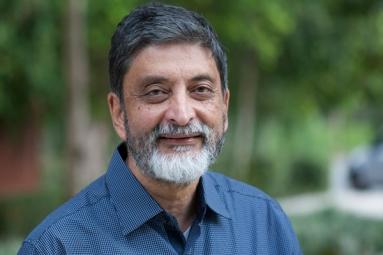
The director of Abdul Kalam Research center had pointed out that petrol operated drones are the future as they could be widely used in many areas when compared to the battery operated ones.
He told that their drones could fly 40 minutes non-stop and only need servicing after 50 hours of operation. Whereas, the battery model drones can only fly up to 10 minutes at a stretch.
In addition to air surveillance and spraying, drones can do wonders in agricultural field in terms of crop analytics and farm yield improvement. Experts predict that in the coming times, villagers will rent the drones just like they own tractors now.
Additionally, when acumen engineers get involved in the drone making, these drones can be programmed to fly at a certain height and till certain distance.
Experts also predict that India is going to need 5 lakh engine operated drones for civilian needs in the coming years.
The potential for drone technology is enormous. They can be equipped with advanced sensors and cameras for allowing them to have software driven functionalities, experts say.
By Gayatri Yellayi