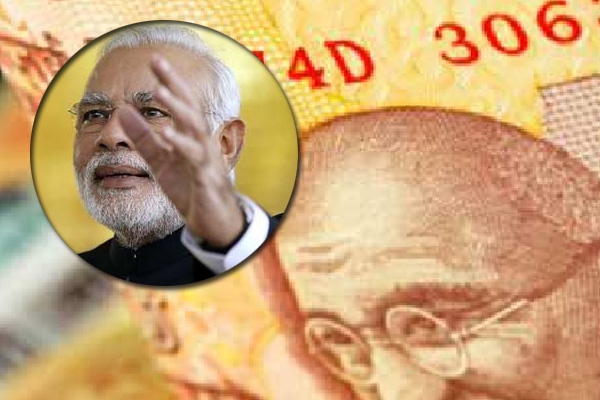
(Image source from: On the way to a $10 trillion economy})
Since assuming office, policymakers of Modi government has articulated the desire to lift per-capita income, improve social development indicators and harness the benefits of the demographic dividend by creating an environment in which businesses will thrive, invest and create jobs. A nation’s sustained prosperity lies in effectively mobilising both labour and non-labour resources. The initial goal will be to lift India’s GDP to $10 trillion from the current level of close to $2 trillion. This can be achieved in about 15 year’s time as long as real GDP growth and inflation average 8% and 4% respectively tied up over this period.
The focus of policy measures needs to be sustaining between 6.5-7% growth with moderate and stable inflation. Both centre and states combined fiscal deficit, has to be reduced from 6.5% of GDP in 2014-15 to 5% of GDP. Government has to ensure that its policies do not intervene in the labour market to ensure that the wage growth matches productivity growth. Interest rates are to be maintained in a positive aspect to tie=up inflation expectations and also has to check the rise in property prices. Ensure a smooth functioning of the executive branch, faster implementation and increased transparency of government policies for investment approvals is needed to revive investment.
These important changes made in the macro environment, if fully implemented, will give a lasting impact in boosting economic development in India and put the country in the path of achieving the ambition of creating a $10-trillion economy by 2030.
By Premji